Hiking Boots vs Trail Shoes: Which Should a Beginner Actually Buy?
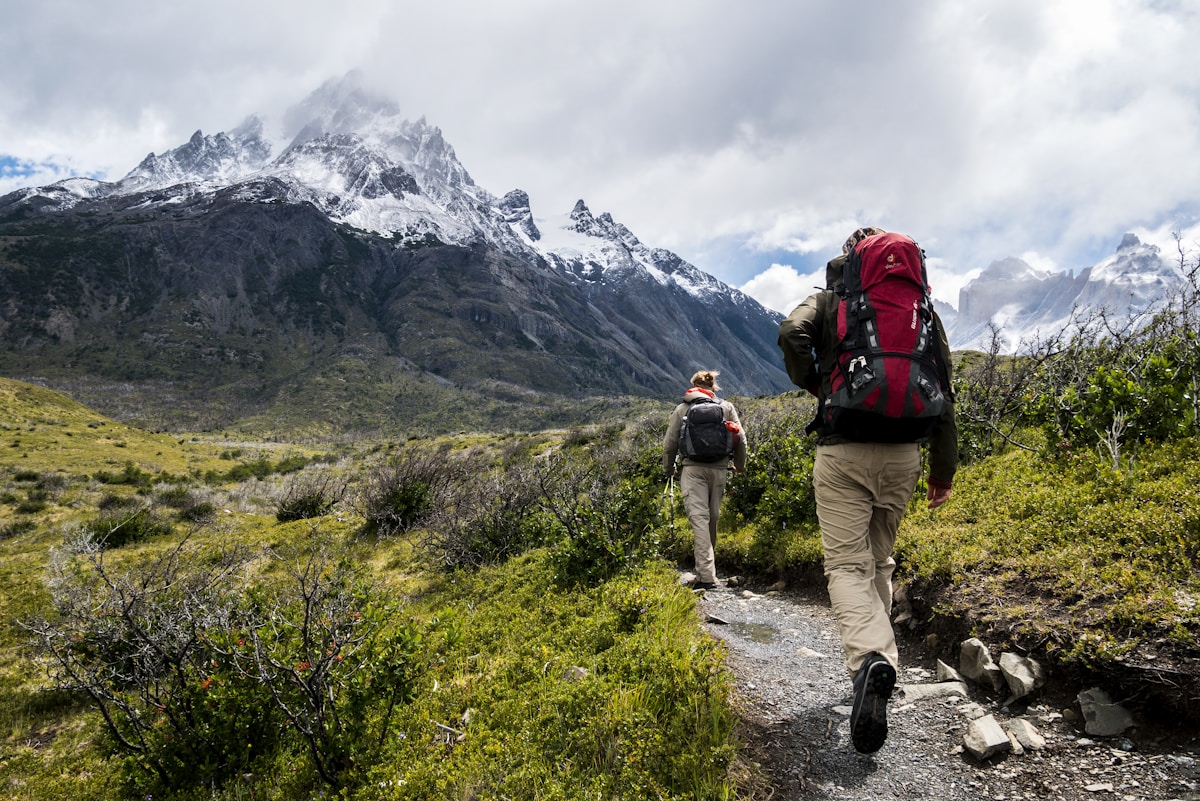
- Primary Signal: Hiking Boots vs Trail Shoes: Which Should a Beginner Actually Buy?
- Overview: Boots or trail shoes? For most beginners on maintained trails, the lighter option wins — but rough terrain, heavy packs, and weak ankles change the answer. Here is how to choose....
- Verification: Analyzed and compiled by SkyFree Outfitters editorial monitoring desk.
Every beginner hiker faces the same shop-floor dilemma: tall, sturdy hiking boots or light, flexible trail shoes? Both have passionate defenders, and both can be right — for different people, different trails, and different feet. The honest answer is that for most beginners on well-maintained trails, the lighter option is usually the better starting point, but there are clear exceptions worth knowing about.
Hiking boots offer ankle support, protection, and durability. The high cuff helps on rough, uneven ground where a rolled ankle is a real risk, and the stiffer sole protects your feet from sharp rocks and roots. Boots also handle heavy packs better: if you are carrying a multi-day load, the stiffer structure distributes weight more evenly. The trade-off is weight and break-in time — boots are heavier, hotter, and usually need several walks to soften up.
Trail shoes, essentially rugged running shoes, are lighter, more flexible, and comfortable from the first walk. They breathe better, dry faster after stream crossings, and put less strain on your legs over a long day. Many experienced hikers, including long-distance thru-hikers, have switched to trail shoes for exactly these reasons. The trade-off is less ankle protection and less durability on very rough terrain, though modern trail shoes are far tougher than ordinary trainers.
Ankle support deserves a closer look, because it is often oversold. A high boot cuff does not prevent ankle rolls on its own — ankle strength, balance, and careful foot placement matter more. If you have weak ankles or a history of sprains, boots or an ankle brace can help, but they are not a substitute for strengthening work. For a beginner with healthy ankles on moderate trails, trail shoes plus attention to foot placement are usually enough.
The right choice depends on where you will actually walk. Smooth, well-graded paths, day hikes with a light pack, and warm weather all favour trail shoes. Rocky, off-trail, or scree-covered routes, heavy packs, and cold or wet conditions favour boots, which also pair better with gaiters for mud and snow. Think about your next ten hikes, not a hypothetical expedition — buy for the trails you will actually walk most often.
Whatever you choose, fit matters more than brand or price. Try footwear on in the afternoon, when your feet are slightly swollen, wearing the socks you will hike in. There should be room to wiggle your toes, no pressure on the sides, and no heel slip when you walk uphill and downhill — most shops have a ramp for exactly this test. Break in new footwear with short walks before a long hike, and carry blister treatment on your first few outings regardless of what you buy.
For most beginners, the practical answer is this: start with trail shoes if your hikes are day walks on maintained trails with a light pack. You will enjoy walking more, walk further, and be less likely to quit because your feet hurt. Move to boots when your hikes get rougher, your pack gets heavier, or your ankles tell you they need more support. The best hiking footwear is the pair you actually want to walk in — and for most people starting out, that pair is lighter than they expected.
Whatever you buy, break it in before a big hike. Wear new boots or shoes around the house and on short local walks first, building up distance over a week or two. Pay attention to hot spots — a slight rub on a short walk becomes a blister on a long one. A two-sock system, with a thin liner sock under a hiking sock, reduces friction for many people, and learning a heel-lock lacing technique can stop your foot sliding forward on descents. Carry blister plasters and tape on your first few longer walks. Boots generally need more break-in time than trail shoes, so if you choose boots, start the process well before your first serious hike.
📖 Continue Reading the Full Story
Continue reading this article on SkyFree Outfitters.
⚡ Access Full Content NowMore from SkyFree Outfitters


 💎 LuxeLiving 768
How to Check DNS Records of a Domain: A Beginner's Guide
Checking a domain's DNS records takes under a minute once you know the tools. This guide covers online lookup ...
 ✈️ SkyFree Club
Should Tour Operators Hire, Outsource, or Use AI for Phone Answering?
Hire, answering service, or AI? Honest monthly costs and tradeoffs for tour operators and travel agencies....
 ⚡ SkyFree Athletics
Should Your Gym Hire, Outsource, or Use AI for Phone Answering?
Hire, answering service, or AI? Honest monthly costs and tradeoffs for gyms, studios, and trainers....
 🖋️ SkyFree Chronicles
After-Hours Answering for Bookshops: What Actually Works in 2026?
Evening and weekend callers are often your most motivated buyers. An honest comparison of after-hours answerin...