Camp Cooking Kit Essentials for the Trail
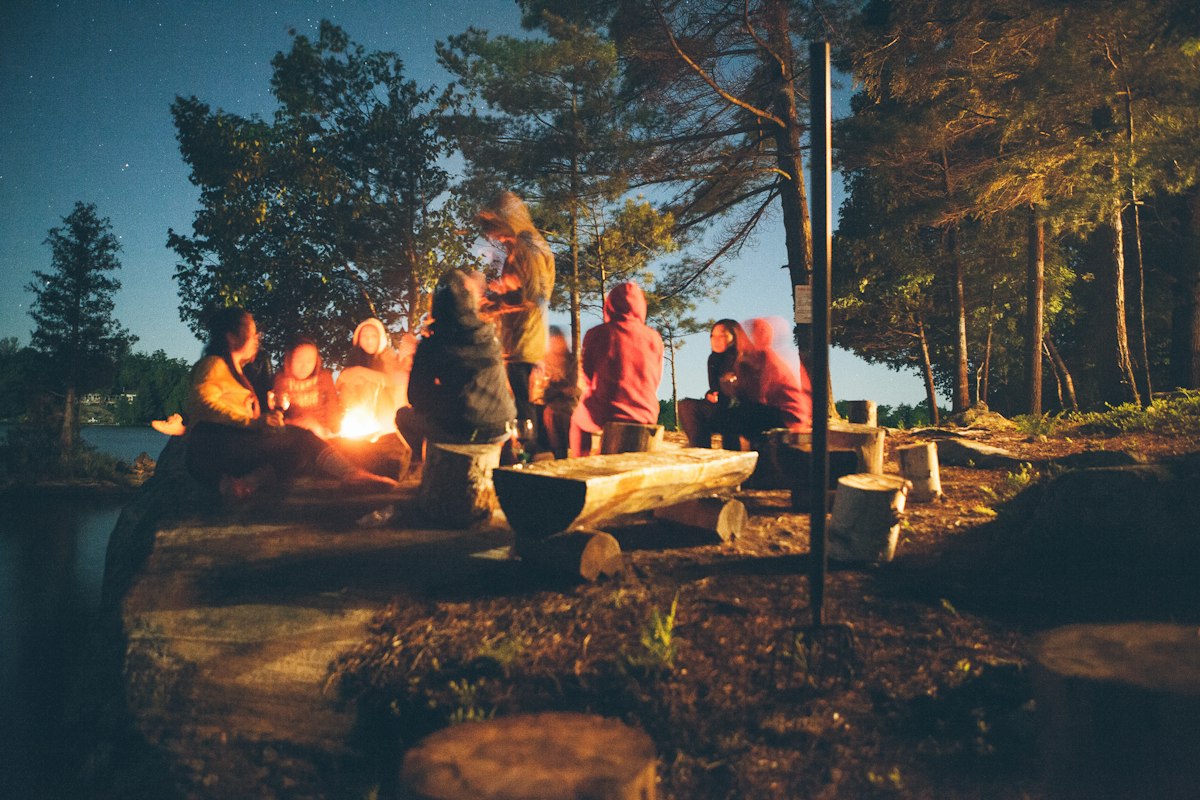
- Primary Signal: Camp Cooking Kit Essentials for the Trail
- Overview: Everything you need to cook well outdoors fits in a small bag: one pot, one stove, and a few smart extras that turn basic ingredients into real meals....
- Verification: Analyzed and compiled by SkyFree Outfitters editorial monitoring desk.
Cooking at camp is one of the great pleasures of hiking, and it does not require a heavy or complicated kit. The essentials fit in a stuff sack not much bigger than a lunchbox: a stove, fuel, one pot, a lighter, and something to eat and drink from. The trick is choosing items that work together, suit the food you actually cook, and survive being packed, unpacked, and knocked around in a backpack for days. A good camp kitchen is simple, reliable, and easy to clean in the dark.
Start with the stove, because it shapes everything else. Compact canister stoves are light, easy to light, and fine for most three-season trips, while liquid fuel stoves handle cold weather and high altitude better and let you see exactly how much fuel remains. Whatever you choose, practise lighting it at home first, including in wind, and always carry a backup lighter or matches in a waterproof bag. A small folding windshield makes a big difference to boiling times and fuel use, but keep it away from the fuel canister itself for safety.
One pot is usually enough. A pot of around one litre suits a solo hiker, while pairs should look at one and a half to two litres. Titanium is lightest, aluminium spreads heat more evenly and costs less, and a pot with a lid doubles as a frying surface in a pinch. A long-handled spoon is the single most useful eating tool on the trail, because it reaches the bottom of tall pots and food pouches. Add a small mug for hot drinks, and you have a complete eating setup. Leave the plates, bowls, and cutlery sets at home unless you are car camping.
Food choices matter as much as gear. Plan meals that need only one pot and little washing, such as pasta with a sauce packet, rice with dried vegetables, or a hearty soup with bread. Pre-measure ingredients into labelled bags before the trip to save time and weight at camp. Breakfast can be as simple as oats with dried fruit and milk powder. Carry a small bottle of cooking oil, salt, and a spice mix, because seasoning is what turns plain trail food into something you look forward to after a long day.
Water and hygiene deserve the same care as cooking itself. Always know your next water source before you cook, and carry enough capacity to cook, drink, and wash. Strain food scraps from dishwater and pack them out with your rubbish, and wash dishes at least sixty metres from streams and lakes. Hand sanitiser before handling food prevents most camp stomach troubles. Store food away from your sleeping area in bear country, using a hang or a bear canister where required, and never cook inside a tent because of carbon monoxide and fire risk.
A few small extras earn their place quickly. A lightweight chopping board, a small sponge, a few zip bags for leftovers, and a strip of duct tape wrapped around a pencil can solve most camp kitchen problems. A compact coffee dripper or a tea infuser is worth it if a morning hot drink matters to you. Keep the whole kit together in one bag so packing is fast and nothing gets left behind. With a simple, practised setup, camp cooking stops being a chore and becomes the part of the evening everyone gathers around.
Before a trip, cook one full camp meal at home using only your trail kit. This dress rehearsal reveals missing items, awkward steps, and meals that take far longer than expected. It also lets you measure fuel use accurately, so you know how many boils one canister really delivers. A little preparation at home turns camp cooking from a stressful experiment into a relaxed routine, and it means dinner is ready quickly on the nights when you arrive at camp tired and hungry.
📖 Continue Reading the Full Story
Continue reading this article on SkyFree Outfitters.
⚡ Access Full Content NowMore from SkyFree Outfitters



 🛍️ Caylin Shop
9 TikTok Shop Dorm Room Essentials Under $20 That Actually Earn Their Space (2026)
Dorm rooms are tiny and budgets are tinier. These nine TikTok Shop finds under $20 — from shower caddies to mi...
💎 LuxeLiving 768
Deep-Dive Audit: Palworld Breeding Calculator — Parents, Combos & Paths (Day 4 Guide)
Mastering performance metrics with the Palworld Breeding Calculator — Parents, Combos & Paths on LuxeLiving 76...
✈️ SkyFree Club
Strategic Blueprint: Palworld Breeding Calculator — Parents, Combos & Paths (Day 6 Guide)
Unlocking high-yield efficiency through Palworld Breeding Calculator — Parents, Combos & Paths on SkyFree Club...
 ⚡ SkyFree Athletics
Performance Benchmark: Palworld Breeding Calculator — Parents, Combos & Paths (Day 7 Guide)
Understanding real-world data from the Palworld Breeding Calculator — Parents, Combos & Paths on SkyFree Athle...