How to Choose a Hiking Backpack: Size, Fit, and What Matters
- Primary Signal: How to Choose a Hiking Backpack: Size, Fit, and What Matters
- Overview: Backpack size and fit matter more than brand or features. Learn how to match capacity to trip length, measure torso length, and test a pack before you buy....
- Verification: Analyzed and compiled by SkyFree Outfitters editorial monitoring desk.
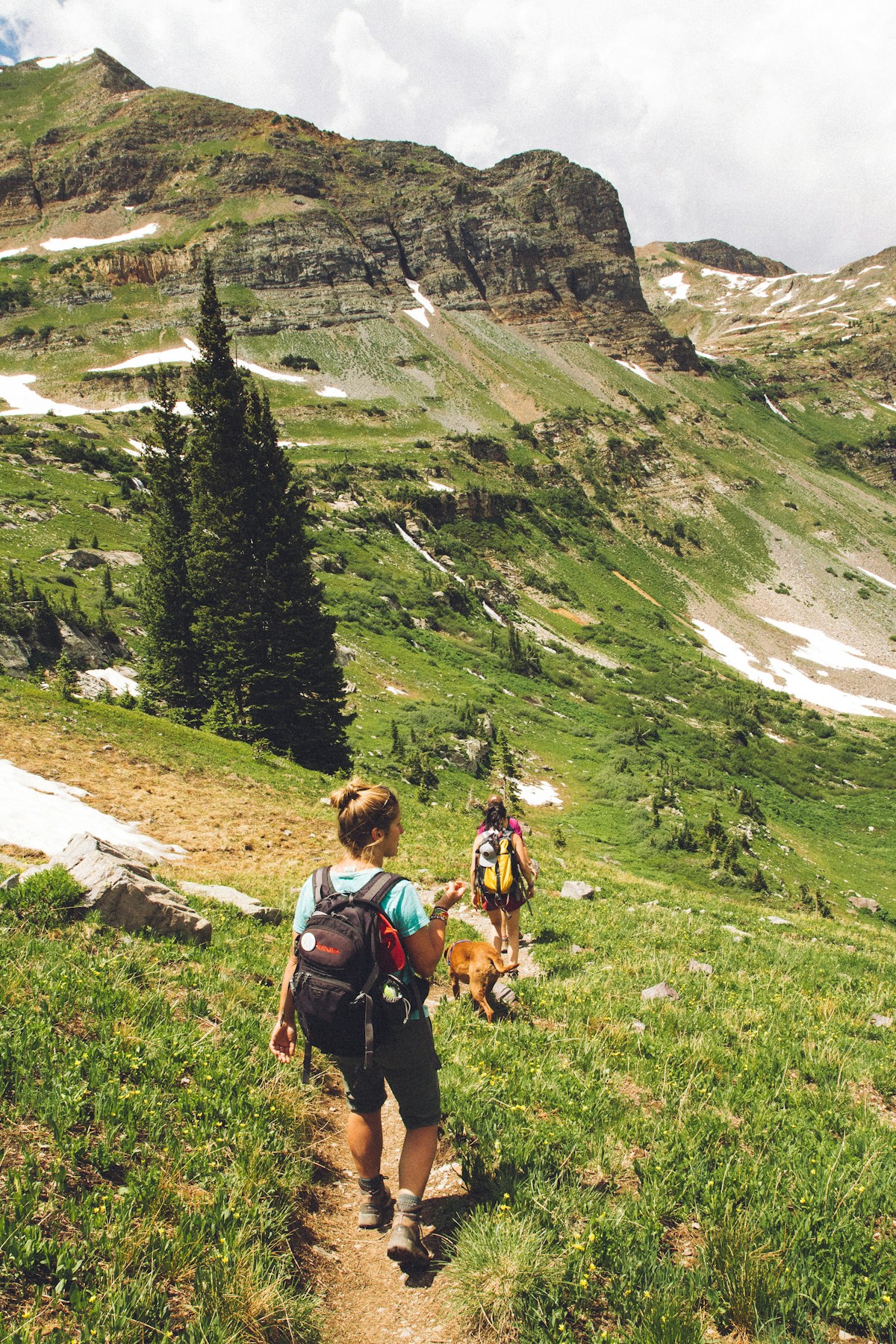
Choosing a hiking backpack starts with an honest look at how you hike. A day hiker, a weekend backpacker, and a week-long trekker need very different bags, and buying the wrong size is the most common mistake beginners make. Too small and you end up strapping gear to the outside; too big and you carry dead weight and a bag that never sits right.
As a rough guide, day hikes need 20 to 30 litres, overnight trips need 40 to 55 litres, and multi-day trips in colder weather need 55 to 70 litres. These are starting points, not rules — your shelter, sleeping bag, and cooking gear determine the real number. If your kit is bulky, size up; if you pack light, you can size down.
Fit matters even more than capacity. Measure your torso length from the bump at the base of your neck to the top of your hip bones, and choose a pack size that matches that measurement, not your height. The hip belt should sit on your hip bones and carry most of the weight, while the shoulder straps simply stabilise the load.
Before buying, load the pack with weight and walk around the store for at least ten minutes. Adjust the hip belt first, then the shoulder straps, then the load lifters. If the shop lets you, test it on stairs. A pack that feels fine empty can feel very different at full weight, and comfort on a long climb is what you are actually paying for.
Once fit and capacity are right, a few features genuinely earn their keep. A rain cover or waterproof liner is essential unless your pack is fully waterproof, because a soaked sleeping bag ruins a trip. Hip belt pockets are worth having for snacks and a phone, since stopping to dig through the main compartment every time you want a snack gets old fast. Compression straps matter too: they keep the load stable and let you shrink the pack on shorter trips.
Other features are nice but not deal-breakers. A separate sleeping bag compartment helps with organisation but adds zips and weight. Multiple access points sound convenient, yet most hikers end up using the top opening almost exclusively. Hydration bladder compatibility is useful if you already use a bladder, but side pockets and bottles work just as well for many people and are easier to refill at streams.
Features to be sceptical about include built-in rain covers on very cheap packs, which often fit poorly, and endless small pockets that encourage carrying more small items you do not need. A good rule is to choose the simplest pack that fits well and covers your real needs. You can always add a dry bag or a pocket later, but you cannot fix a pack that does not fit your torso.
📖 Continue Reading the Full Story
Continue reading this article on SkyFree Outfitters.
⚡ Access Full Content NowMore from SkyFree Outfitters


 ✈️ SkyFree Club
Can You Bring a Backpack and a Tote as a Personal Item on Ryanair?
No — on a standard Ryanair fare you get one free small bag only. Here is the exact 40x20x25 cm rule, the Prior...
🌿 SkyFree Living
How to Size an Off-Grid Solar System for a Tiny House (2026 Guide)
How to size an off-grid solar system for a tiny house: audit your daily watt-hours, size the battery bank for ...
 💎 LuxeLiving 768
Luxury Home Office Ideas for Executives in 2026
A luxury home office is about focus, comfort and presence on video calls. Design ideas for lighting, furniture...
⚡ SkyFree Athletics
What Is an AI Receptionist for Gyms and Fitness Studios? A 2026 Guide
How AI voice receptionists give gyms 24/7 front-desk coverage — class bookings, membership inquiries, and tria...