Trekking Poles vs No Poles: What Beginners Should Know Before Buying
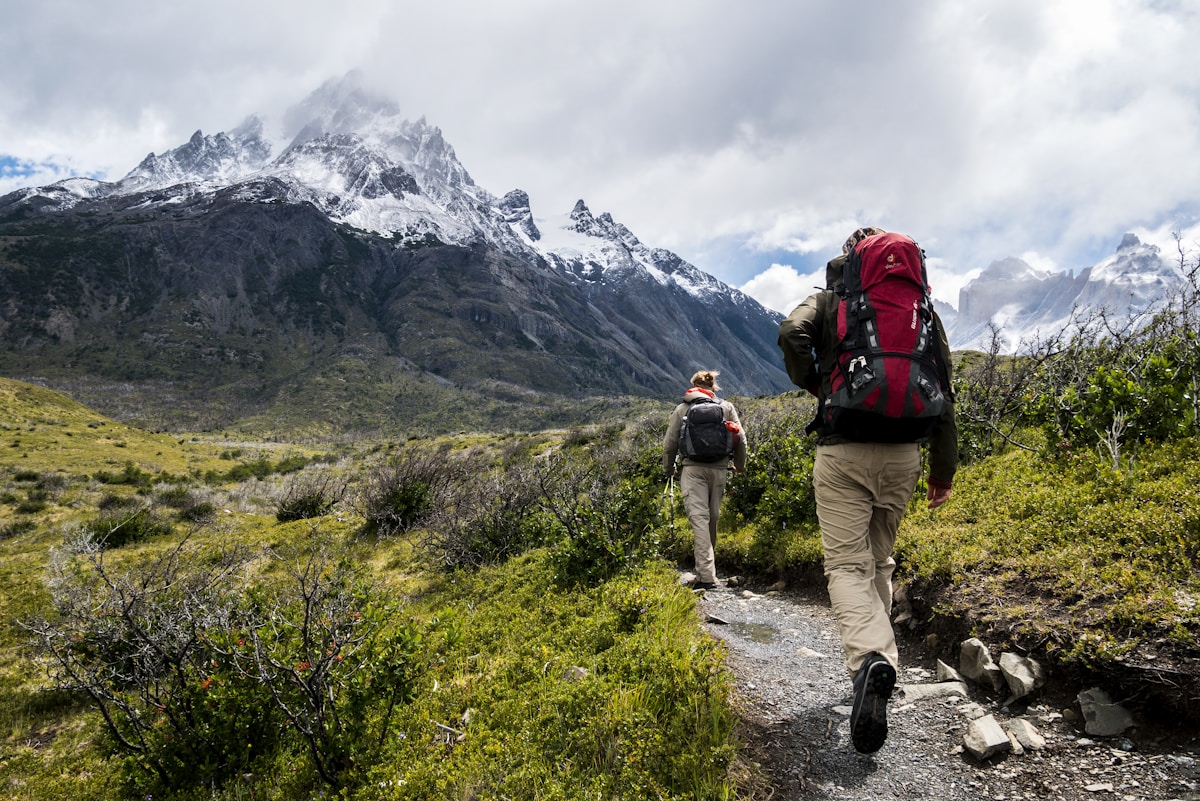
- Primary Signal: Trekking Poles vs No Poles: What Beginners Should Know Before Buying
- Overview: Trekking poles divide hikers: some never walk without them, others find them a nuisance. Compare the benefits, drawbacks, and buying basics before you decide....
- Verification: Analyzed and compiled by SkyFree Outfitters editorial monitoring desk.
Trekking poles are one of the most debated pieces of hiking gear, and the honest answer is that they help many hikers a great deal while annoying others, so the right choice depends on your knees, your pack weight, your terrain, and your walking style. Poles spread effort across your arms and legs, give you extra points of contact on uneven ground, and can take pressure off knees on descents, but they also add weight, occupy your hands, and need a bit of technique to feel natural. Trying a borrowed pair on a real trail is the best way to find out which side you fall on.
The clearest benefit is on steep descents and uneven terrain. Planting poles ahead of you on a downhill lets your arms share the braking work that would otherwise fall entirely on your knees and quadriceps, which matters on long descents and for hikers with sensitive knees. Poles also help with balance on stream crossings, loose scree, and muddy paths, and they give a rhythm to flat walking that some hikers find reduces fatigue. For heavier packs, the extra support is more noticeable, since the load is shared more widely.
There are genuine drawbacks too. Poles add weight, even light pairs, and they can snag on vegetation, get in the way on scrambles where you need your hands, or feel clumsy on flat, easy trails. Some hikers find they rely on poles and lose confidence without them, and poor technique, such as planting poles too far ahead or gripping too tightly, can cause wrist or shoulder soreness. Poles also need care: locking mechanisms can slip if not tightened properly, and tips wear down on rock, so check them before a trip.
If you decide to try poles, a few basics make the experience much better. Adjust them so your elbow bends at roughly a right angle when holding the grip on flat ground, lengthen them slightly for long descents, and shorten them for steep climbs. Use the wrist straps properly by threading your hand up through the loop so the strap, not a death grip, carries the load. Rubber tips protect trails and reduce noise on hard surfaces, while carbide tips grip better on rock and ice, so match the tip to the terrain.
Buying your first pair does not need to be expensive. Aluminium poles are affordable, durable, and slightly heavier, while carbon fibre poles are lighter but cost more and can snap under a hard sideways load. Three-section folding poles pack small for travel and for stowing when you do not need them, while two-section poles are simpler and often sturdier. Whatever you buy, practise on local walks first, including collapsing and extending them, adjusting length on the move, and stowing them on your pack for sections where hands are needed.
A practical compromise works for many beginners: carry poles on hilly, long, or rough routes, and leave them behind on short, flat walks where they add little. Over time you will learn which terrain earns them a place in your pack and which does not. Poles are a tool, not a requirement, and the best test is not a review or a recommendation, but a few miles on a trail you know, with and without them, paying attention to your knees, your balance, and how you feel at the end of the day. Give any new pair at least two or three walks before judging, because technique improves quickly once the motion feels natural. Practise makes it natural.
📖 Continue Reading the Full Story
Continue reading this article on SkyFree Outfitters.
⚡ Access Full Content NowMore from SkyFree Outfitters


 🛍️ Caylin Shop
How to Check TikTok Shop Seller Ratings Before Buying Viral Products (2026 Guide)
The product looks great — but who is actually selling it? A 60-second seller check on TikTok Shop can save you...
 ✈️ SkyFree Club
Should Tour Operators Hire, Outsource, or Use AI for Phone Answering?
Hire, answering service, or AI? Honest monthly costs and tradeoffs for tour operators and travel agencies....
 ⚡ SkyFree Athletics
Should Your Gym Hire, Outsource, or Use AI for Phone Answering?
Hire, answering service, or AI? Honest monthly costs and tradeoffs for gyms, studios, and trainers....
🖋️ SkyFree Chronicles
Should Indie Publishers Hire, Outsource, or Use AI for Phone Answering?
Hire a receptionist, pay an answering service, or use AI? Honest monthly costs and tradeoffs for small publish...