How Much Stove Fuel Do You Need for a Weekend Backpacking Trip?
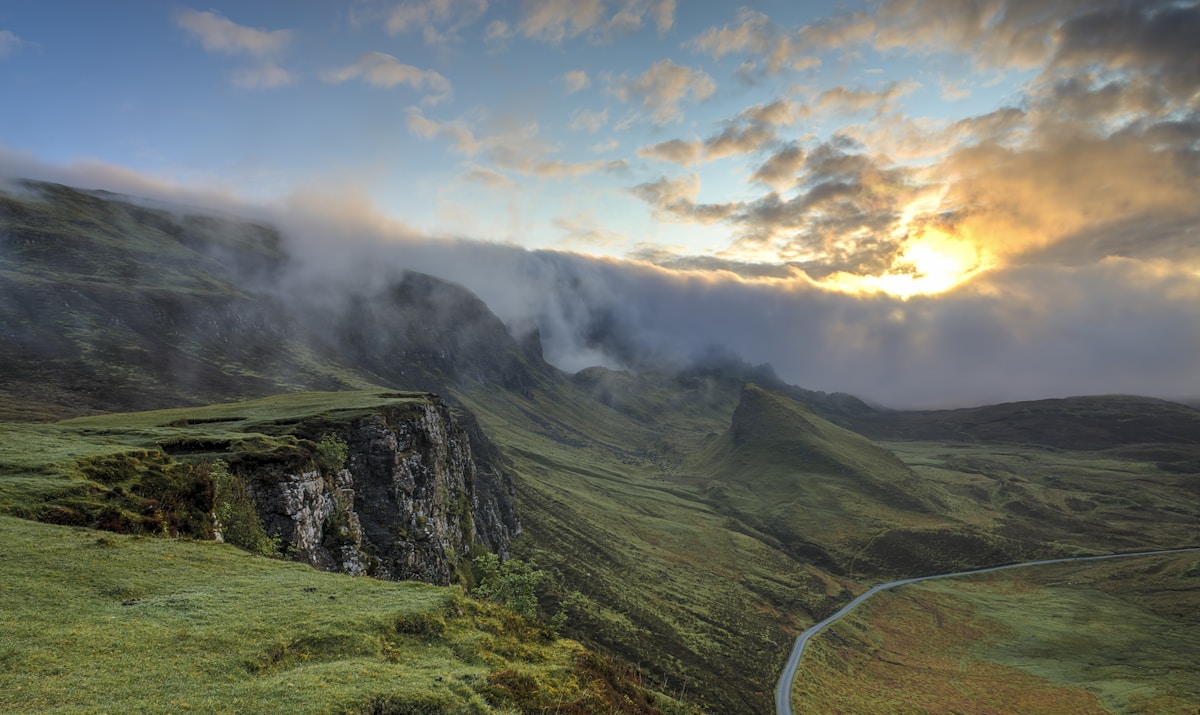
- Primary Signal: How Much Stove Fuel Do You Need for a Weekend Backpacking Trip?
- Overview: Most solo hikers need only 110 grams of canister fuel for a weekend — here is how to calculate boils, cold weather, and snow melting so you never carry a half-empty canister home....
- Verification: Analyzed and compiled by SkyFree Outfitters editorial monitoring desk.
How much stove fuel do you need for a weekend backpacking trip is a question that saves real weight, because many hikers carry a large canister for a short trip and haul half of it home unused. The answer depends on how many times you boil water, how much water you boil each time, and how cold or windy it is, but a simple calculation gets you close enough to choose confidently. For a typical solo weekend — two dinners, two breakfasts, and a couple of hot drinks — a small 110-gram canister is usually plenty, and understanding why will stop you overpacking fuel on every trip.
Start by counting boils, not days, because that is what actually burns fuel. A standard canister stove boils about 500 millilitres of water in roughly three minutes in calm conditions, using around 7 to 10 grams of fuel per boil depending on wind, pot, and starting water temperature. Two boils a day for two days is four boils, plus two extra drinks, which puts you at roughly 45 to 60 grams for the weekend. That leaves a comfortable margin inside a 110-gram canister, which is why experienced hikers rarely take a 230-gram canister for a solo weekend unless they are melting snow or cooking for two.
Cold weather, wind, and altitude change the maths, and this is where beginners run short. Wind is the biggest fuel thief: an unshielded stove in a breeze can use twice as much fuel as the same stove behind a rock or a proper windscreen, so always cook in a sheltered spot and never fully enclose a canister in a tall metal screen, which can overheat it. Cold water takes longer to boil, cold canisters lose pressure, and melting snow for water can triple fuel use because you must first melt the snow and then bring it to a boil. For snow melting or winter trips, step up to a 230-gram canister or a liquid-fuel stove, and keep the canister warm in your jacket or sleeping bag before cooking.
Your pot and cooking style matter almost as much as the stove. A pot with a lid boils far faster than an open pot, a wider pot catches more flame than a tall narrow one, and boil-only cooking — pouring hot water into a meal pouch and letting it rehydrate — uses far less fuel than simmering a meal for twenty minutes. If you cook real meals in the pot, plan for roughly double the fuel of boil-only meals, and bring a lighter and a backup ignition method because a stove you cannot light is just dead weight. Weigh your canister before and after a trip with a kitchen scale and write the numbers down; after two trips you will know your personal fuel use better than any online table.
For groups, do not simply multiply solo fuel by the number of people, because shared boils are more efficient than separate ones. Two people sharing one pot and one stove for the same number of meals will use roughly 1.5 times the solo amount, not double, because you boil larger volumes less often and lose less heat to repeated warm-ups. Plan one stove per two to three people for boil-only meals, and consider a second stove only if your group cooks complex meals or needs hot water at the same time in the morning. Split fuel weight fairly: the person carrying the stove should not also carry all the fuel and the pot.
A practical weekend packing rule is therefore simple: solo, boil-only, three-season — take a 110-gram canister; solo in cold or wind, or a pair sharing meals — take a 230-gram canister or a full 110 plus a small backup; snow melting or cooking for three or more — take a 230-gram canister and plan a resupply or a second stove. Mark your canister with its starting weight, track what you actually use, and after a few trips you will pack fuel with the same confidence you pack food. Carrying just enough fuel is not stinginess; it is ultralight thinking applied to the one consumable most hikers mindlessly overpack.
📖 Continue Reading the Full Story
Continue reading this article on SkyFree Outfitters.
⚡ Access Full Content NowMore from SkyFree Outfitters



 🌿 SkyFree Living
What Size Inverter Do You Need for Off-Grid Solar? A Practical Sizing Guide
An undersized inverter trips under motor surges even when your panels and batteries are fine. Learn to size fo...
 💎 LuxeLiving 768
Crypto APY Calculator UK: Staking Rewards Guide for 2026
UK crypto investors: calculate staking rewards with APY vs APR explained, tax notes for HMRC, and the best sta...
 🎁 Get Rich Free
Emergency fund how much do you really need: A Practical Beginner's Guide
This guide explains emergency fund how much do you really need in plain language, with practical steps, common...
 📈 FreeRich FIRE
Coast FIRE Calculator Guide: How Much You Need Saved to Stop Saving
Coast FIRE means saving enough early that compound growth carries you to retirement without further contributi...