Solo Hiking Safety Tips for Beginners: Plan, Communicate, and Trust Your Judgment
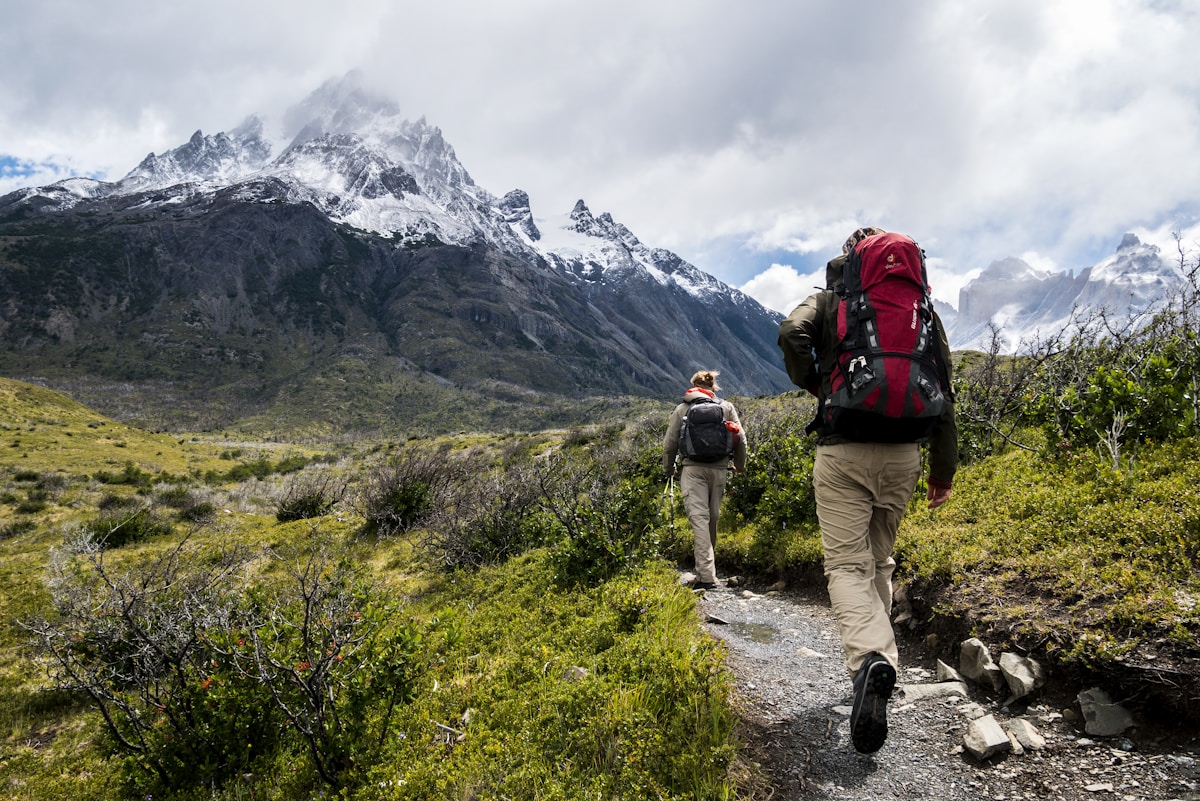
- Primary Signal: Solo Hiking Safety Tips for Beginners: Plan, Communicate, and Trust Your Judgment
- Overview: Solo hiking offers freedom and quiet, but it also means no one is there to help if something goes wrong. These safety habits make solo days far safer without spoiling them....
- Verification: Analyzed and compiled by SkyFree Outfitters editorial monitoring desk.
Solo hiking is one of the most rewarding ways to enjoy the outdoors: you set the pace, choose the route, and spend hours with only the trail for company. It also carries a clear difference from group hiking, which is that if you get lost, injured, or caught by weather, you must handle the situation alone until help arrives. That does not mean solo hiking is reckless, but it does mean preparation matters more, and a few simple habits cover most of the risk.
Route choice is the first safety decision. For your first solo hikes, pick well-marked, popular trails with reliable phone coverage and a clear bail-out point, and keep the distance and difficulty well within what you have done with others. Study the route beforehand, including junctions, water sources, and the expected time, and download offline maps so navigation does not depend on a signal. A route you know well is a far safer first solo than an ambitious new trail, no matter how tempting the photos look.
Communication is your safety net. Always tell a trusted person exactly where you are going, which trailhead you will use, and when you expect to return, and agree what they should do if they do not hear from you. Send a message when you start and when you finish, and carry a charged phone plus a portable charger. On remote routes, consider a personal locator beacon or satellite messenger, which can summon help where phones cannot, and learn how to use it before you need it.
Self-reliance on the trail means carrying a little more than you would in a group. A solo hiker should carry navigation tools, extra food and water, a headlamp, rain gear, an extra warm layer, a first aid kit, and an emergency shelter or blanket, even on a short day hike, because there is no one to share gear with. Know basic first aid for blisters, sprains, and cuts, and practise using your navigation and emergency gear at home so you are not learning under stress.
Judgment is the skill that ties it all together, and solo hikers need to be more willing than groups to turn back. If the weather worsens, the trail becomes unclear, you feel unwell, or daylight is running short, turning around is not failure, it is good decision-making. Fatigue and overconfidence cause more solo incidents than dramatic accidents, so set a turn-around time before you start, stick to it, and resist the urge to push on just because the summit looks close.
Solo hiking also rewards a slower, more observant style: take breaks, drink and eat regularly, check your position at junctions, and enjoy the quiet rather than racing the clock. Start small, build experience gradually, and keep a short note after each solo hike about what worked and what you would change. With sensible routes, clear communication, a complete kit, and a willingness to turn back, solo hiking becomes a safe and deeply satisfying habit that many hikers treasure for years. Keep building gradually: slightly longer routes, slightly quieter trails, and new skills such as map-and-compass navigation or basic first aid, each added only when the previous step feels comfortable. Solo hiking rewards patience, and the hikers who enjoy it most are usually the ones who progressed steadily rather than rushing into remote terrain before they were ready. The quiet confidence that comes from careful preparation is, for many solo hikers, the very best part of the whole experience. Start small, stay safe, and enjoy every quiet mile.
📖 Continue Reading the Full Story
Continue reading this article on SkyFree Outfitters.
⚡ Access Full Content NowMore from SkyFree Outfitters


 ✈️ SkyFree Club
Best Cheap Destinations in Europe for Solo Travelers in Winter
Five affordable European cities that stay welcoming, walkable, and lively through winter — judged on safety, d...
 ⚡ SkyFree Athletics
How to Start Working Out at Home Without Equipment for Beginners
A complete beginner's guide to building your first no-equipment home workout routine — the right movements, a ...
🖋️ SkyFree Chronicles
How to Join a Poetry Open Mic Night as a Beginner
A step-by-step beginner's guide to finding, preparing for, and surviving your first poetry open mic — from cho...
 💎 LuxeLiving 768
Luxury Home Office Ideas for Executives in 2026
A luxury home office is about focus, comfort and presence on video calls. Design ideas for lighting, furniture...