Solo Backpacking Safety Checklist for First-Time Solo Hikers
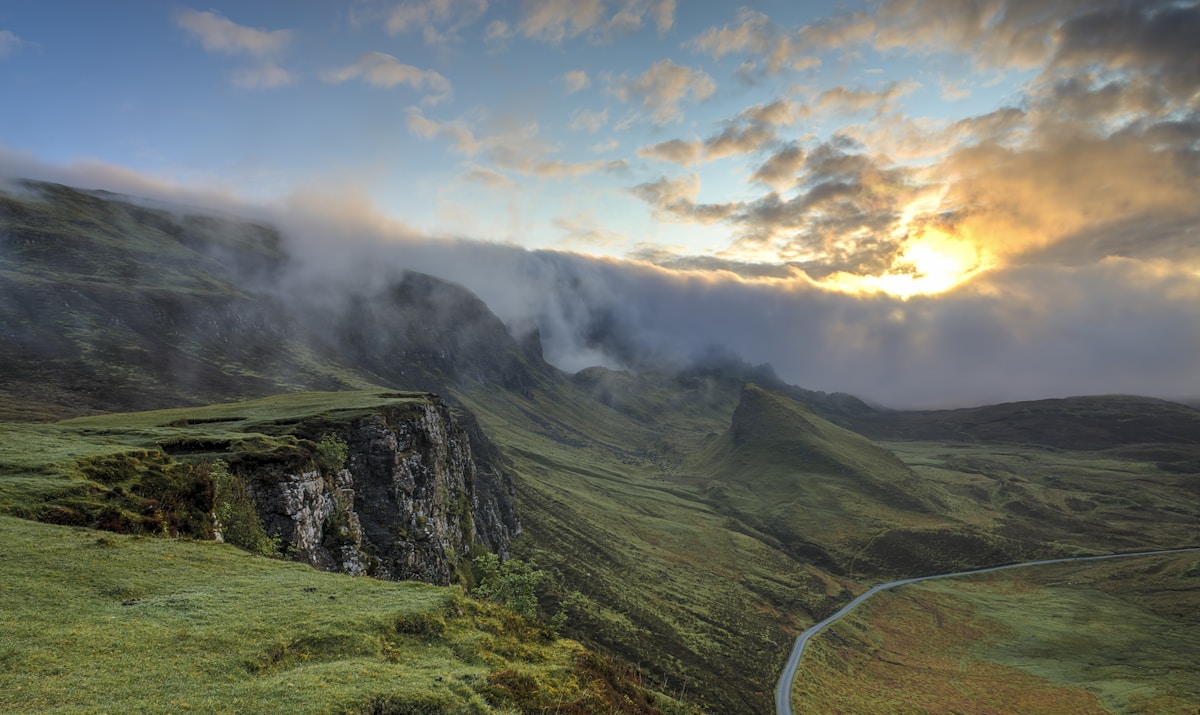
- Primary Signal: Solo Backpacking Safety Checklist for First-Time Solo Hikers
- Overview: Solo hiking rewards you with total freedom, but there is no partner to notice a mistake. This checklist covers trip plans, communication, navigation, and camp habits that keep a fi...
- Verification: Analyzed and compiled by SkyFree Outfitters editorial monitoring desk.
Solo backpacking changes the risk calculation of every decision, because there is nobody to fetch help, share gear, or notice that you are hypothermic. That does not make it dangerous, it makes it a discipline. Most solo incidents trace back to a skipped basic, not to bad luck, and a checklist closes those gaps.
Start with a trip plan left with someone reliable. Include your route, trailhead, expected campsites, and the date you will check in, plus what to do if you miss it. A plan nobody holds is useless, and a vague plan wastes rescue time. Text your contact when you start and when you finish, every time.
Communication devices deserve a decision before you leave. A phone works where there is signal, which is not everywhere, so many solo hikers carry a satellite messenger for check-ins and SOS. Whatever you carry, test it at home, charge it fully, and keep it accessible, not buried at the bottom of your pack.
Navigation redundancy is non-negotiable alone. Carry a map and compass and know how to use them, even if you normally navigate by phone app. Download offline maps, carry a power bank, and note bail-out points along the route where you can exit early if weather or injury forces a change.
Choose a first solo route conservatively. A well-marked trail you have already walked with a partner, with reliable water and moderate distance, is ideal. Save remote, off-trail, or technically difficult routes for later, once you know how you handle solitude, navigation, and camp routine alone.
Pace yourself differently when solo. Without conversation to distract you, it is easy to walk too fast early and arrive exhausted. Plan shorter days than you would with a group, build in buffer time, and set a turn-around time for summits or exposed sections so you are never racing daylight.
Camp habits matter more alone. Pitch camp before dark, store food properly, and keep your headlamp, water, and rain gear within reach overnight. A solo camp should be boring by design: no risky river crossings late in the day, no scrambling for a better viewpoint at dusk, no shortcuts through unfamiliar terrain.
Weather decisions are yours alone, which is both freedom and responsibility. Check the forecast the morning you leave and again at any signal point, and be willing to turn back. Solo hikers sometimes push on because nobody is there to suggest stopping, so set your turn-back criteria in advance, in writing if it helps.
First aid skills carry extra weight solo. Take a basic wilderness first aid course before your first trip, and pack a kit you actually know how to use. Practice the common scenarios at home: blister care, a sprained ankle wrap, and stopping a bleed. A kit you cannot use is just weight.
Mental preparation is the part nobody packs. Solitude can feel wonderful for hours and then suddenly lonely at dusk, and that swing catches first-timers off guard. Bring a book, a journal, or a small routine for camp evenings, and remember that feeling uneasy is normal, not a sign that something is wrong.
Wildlife precautions stay the same solo, but execution matters more. Make noise on blind corners, store food away from camp in bear country, and never approach animals for a photograph. An encounter that is a funny story with a partner becomes a serious problem alone.
Solo backpacking, done with a checklist and conservative choices, is one of the most rewarding ways to walk. The freedom to set your own pace, stop wherever you like, and sit quietly in wild places is worth the extra discipline, and each safe trip builds the judgment that makes the next one easier.
📖 Continue Reading the Full Story
Continue reading this article on SkyFree Outfitters.
⚡ Access Full Content NowMore from SkyFree Outfitters



 💎 LuxeLiving 768
Best First-Class Airline Suites in the World in 2026
The world's best first-class airline suites in 2026, compared by privacy, bedding, dining, and how to book the...
✈️ SkyFree Club
Mobile & Cloud Optimization: Playback Speed Calculator — Video Time at Any Speed (Day 16 Guide)
Testing responsive workflows with the Playback Speed Calculator — Video Time at Any Speed on SkyFree Club. Dis...
 ⚡ SkyFree Athletics
Performance Benchmark: Playback Speed Calculator — Video Time at Any Speed (Day 7 Guide)
Understanding real-world data from the Playback Speed Calculator — Video Time at Any Speed on SkyFree Athletic...
🖋️ SkyFree Chronicles
Expert Insights: Playback Speed Calculator — Video Time at Any Speed (Day 8 Guide)
The science behind our free Playback Speed Calculator — Video Time at Any Speed on SkyFree Chronicles. Discove...