How to Store Camping Gear Between Trips So It Lasts for Years
- Primary Signal: How to Store Camping Gear Between Trips So It Lasts for Years
- Overview: Most gear damage happens in storage, not on the trail: crushed down, mildewed tents, dead batteries, and cracked coatings. This guide covers cleaning, drying, and storing each cate...
- Verification: Analyzed and compiled by SkyFree Outfitters editorial monitoring desk.
Ask experienced hikers what killed their favourite gear and the answer is rarely a dramatic trail failure. It is storage: a tent packed away damp, a sleeping bag compressed for a year, a water filter left dirty, or batteries left in a headlamp. An hour of post-trip care saves hundreds of dollars in replacements.
The golden rule is simple: never store anything dirty or damp. Shake out tents and packs, wipe down poles and stakes, and let everything air dry completely before it goes into a closet. Mould grows fast in a sealed bag, and once it takes hold on tent fabric or down, it is difficult to remove and it weakens the material.
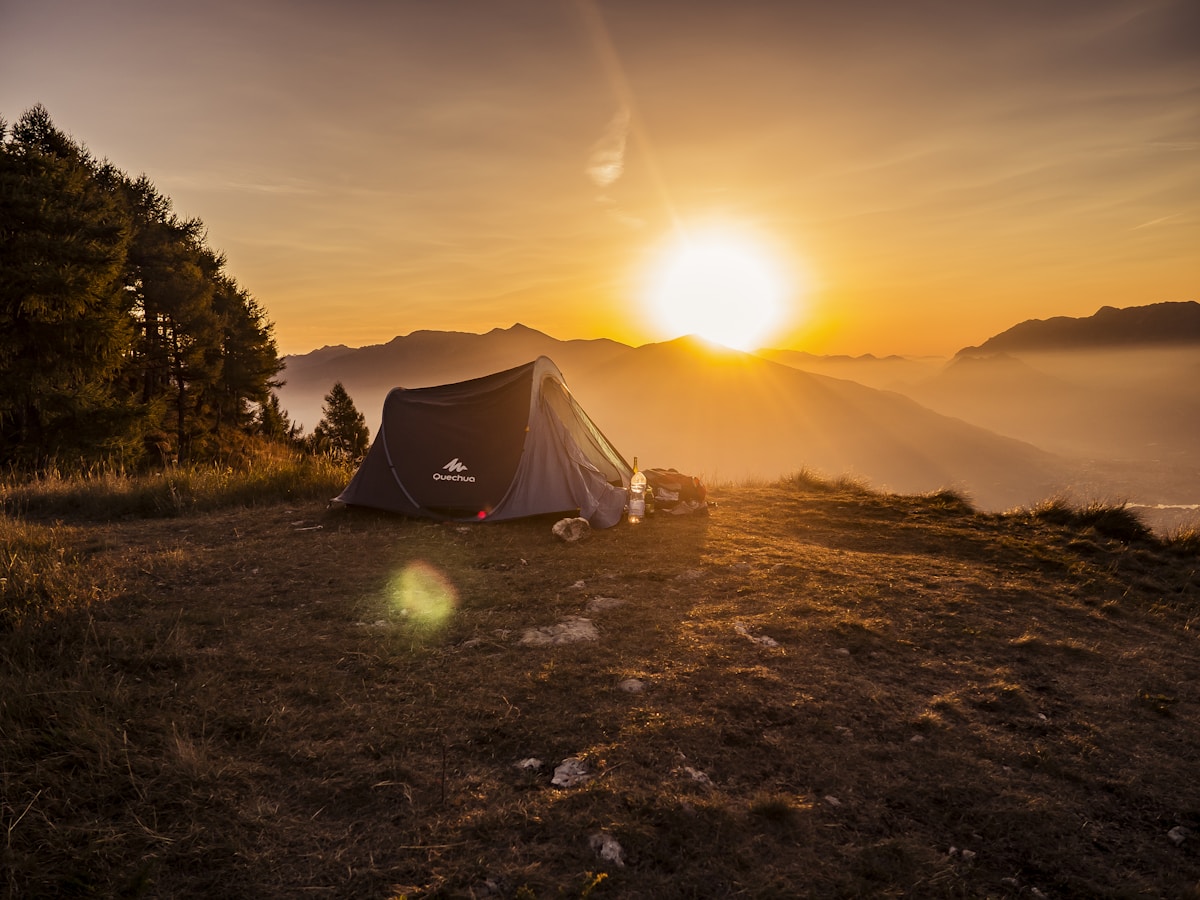
Tents need particular care. Pitch the tent or hang it in a garage for a day after a trip, brush off dirt, and check for damage while you can still remember where it happened. Store it loosely in a large bag or pillowcase, not compressed in its stuff sack, and keep it away from heat sources that degrade coatings over time.
Sleeping bags and quilts follow the same logic: store them loose in a big cotton sack or hung in a closet. Compressed storage crushes insulation, and down loses loft permanently if left stuffed for months. If your bag came with a storage sack, use it; if not, a cheap cotton laundry bag works just as well.
Sleeping pads need their valves open and, ideally, to be stored flat or loosely rolled with the valve open. Closed valves trap air and moisture inside, and self-inflating pads stored compressed lose their ability to inflate. Check inflatable pads for slow leaks before storage, not the night before your next trip.
Footwear deserves a clean and a dry. Remove insoles, brush off mud, and let boots dry at room temperature, never next to a radiator, which cracks leather and delaminates soles. Stuff boots with newspaper to hold their shape, and condition leather boots once a season if the manufacturer recommends it.
Water filters and bottles are easy to forget and expensive to replace. Backflush or clean your filter according to its instructions, let it dry fully, and store it where it will not freeze with water inside, since ice cracks filter elements. Empty bottles completely and store them with caps off to prevent musty smells.
Electronics need battery discipline. Remove batteries from headlamps, GPS units, and cameras before storage, because leaked batteries corrode contacts and ruin devices. Charge rechargeable batteries to around half before storing them, and keep them in a cool, dry place rather than a hot attic.
Clothing storage is simpler but still matters. Wash waterproof jackets before storing them, since dirt and oils degrade water-repellent coatings, and hang them rather than folding them tightly along the same creases. Wash merino layers gently and store them with cedar or lavender to deter moths.
Stoves need a check too. Empty fuel bottles, burn off remaining fuel in a safe outdoor space if needed, and clean jets and seals before storage. Store fuel away from living spaces and heat, following local safety rules, and never store a stove with a connected canister.
Keep a gear log or a simple checklist taped inside your storage area. Note what needs repair, what needs replacing, and what ran out, like fuel or water treatment tablets. Restocking in the off-season, when sales appear, is cheaper and calmer than a panicked shop visit the night before a trip.
Good storage is unglamorous, but it is what separates a kit that lasts a decade from one that needs replacing every few years. Treat the hour after a trip as part of the trip itself, and your future self, unpacking fresh, dry, working gear, will be grateful.
📖 Continue Reading the Full Story
Continue reading this article on SkyFree Outfitters.
⚡ Access Full Content NowMore from SkyFree Outfitters


 ✈️ SkyFree Club
Strategic Positioning: Days Between Dates Calculator — Count Days & Weeks (Day 26 Guide)
Gaining a competitive advantage through Days Between Dates Calculator — Count Days & Weeks on SkyFree Club. Di...
 ⚡ SkyFree Athletics
Automation & Integration: Days Between Dates Calculator — Count Days & Weeks (Day 27 Guide)
Streamlining daily analytics with our Days Between Dates Calculator — Count Days & Weeks on SkyFree Athletics....
 💎 LuxeLiving 768
Crypto APY Calculator UK: Staking Rewards Guide for 2026
UK crypto investors: calculate staking rewards with APY vs APR explained, tax notes for HMRC, and the best sta...
🖋️ SkyFree Chronicles
Expert Insights: Playback Speed Calculator — Video Time at Any Speed (Day 8 Guide)
The science behind our free Playback Speed Calculator — Video Time at Any Speed on SkyFree Chronicles. Discove...