How to Choose a Tent for Windy Campsites
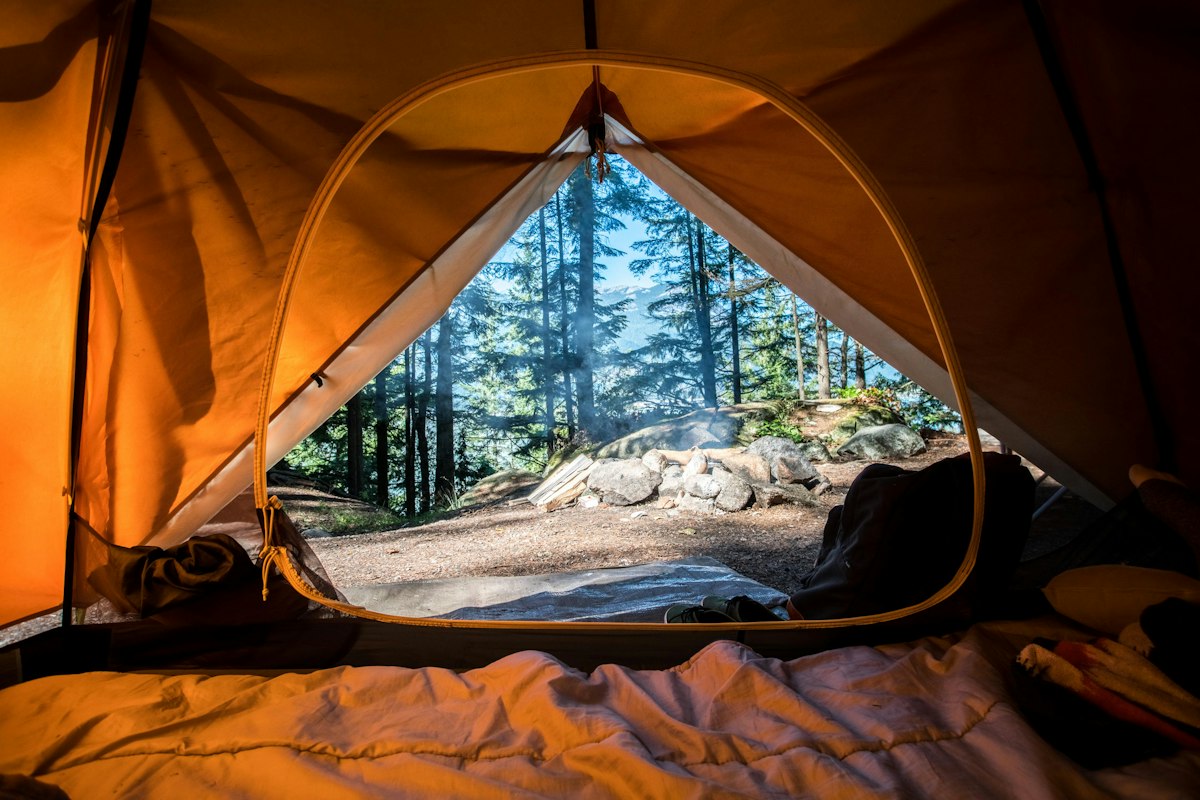
- Primary Signal: How to Choose a Tent for Windy Campsites
- Overview: Wind is the real test of a tent. Learn which shapes, pole designs, and pitching techniques hold up when gusts pick up at exposed campsites....
- Verification: Analyzed and compiled by SkyFree Outfitters editorial monitoring desk.
A tent that feels perfectly fine on a calm summer evening can turn into a noisy, flapping problem when wind arrives at two in the morning. Choosing a tent for windy campsites means looking past the marketing photos and focusing on shape, structure, and how the tent is pitched. The goal is simple: a shelter that stays stable, keeps its shape under gusts, and lets you sleep while the weather does its worst outside. Getting this choice right matters most on ridges, coastal sites, and open plateaus where there is little natural shelter.
Shape matters more than most buyers expect. Low, aerodynamic profiles shed wind far better than tall, boxy tents with steep vertical walls. Dome and tunnel designs are popular for windy conditions because wind flows over them rather than pushing flat against a wall. Geodesic tents, where poles cross each other several times, are the strongest option and are the standard for serious mountain use, though they cost more and weigh more. For most three-season campers, a well-made dome tent with a full-coverage rainfly is a sensible balance of strength, weight, and price.
Pole design and pole count are the next thing to check. More pole crossings generally mean a stronger structure, and aluminium poles outperform fibreglass in high wind because they flex without snapping. Look at how the poles attach to the tent body: clips are quick to pitch, while sleeves spread wind loads more evenly and add strength. Freestanding tents are convenient, but in serious wind every tent needs to be staked and guyed out. A tent that cannot be fully guyed is a poor choice for exposed sites, no matter how good it looks.
Pitching technique is half the battle, and it costs nothing. Always point the narrowest, lowest end of the tent into the prevailing wind, and use every guyline the tent provides, tensioned evenly so the fly does not flap. Stake at an angle away from the tent, and in soft or sandy ground use longer stakes or bury a stuff sack filled with rocks as a deadman anchor. Keep the fly taut, because a loose fly catches wind and multiplies the force on the poles. If you arrive at a site and the wind is already strong, pitch quickly, stake as you go, and do not leave an unsecured tent unattended.
Site selection helps as much as the tent itself. A hollow, a stand of trees, or a rock wall can cut wind dramatically, while a ridge crest or a gap between hills can funnel wind straight at you. Check the ground for drainage too, since wind often arrives with rain. Once pitched, manage the inside of the tent as well: keep gear off the walls, close vents on the windward side to stop driven rain, and leave a leeward vent open to reduce condensation. A tent that breathes a little will stay drier and more comfortable overnight.
Before buying, read reviews from people who have actually used the tent in wind, and look for honest wind ratings rather than vague claims. If you already own a tent, test it on a breezy night close to home and learn its weak points before a remote trip. Carry spare stakes, extra guyline cord, and a small repair sleeve for a broken pole section. Wind is not a reason to stay home. With the right shape, solid poles, and a careful pitch, your tent can handle far more weather than you might expect.
One more tip for stormy nights: practise pitching your tent in the garden on a windy day, so you learn its guyline layout and weak points before a real trip. Time yourself, try different stake angles, and see how the tent behaves when a gust hits the fly. Familiarity removes panic, and a calm, practised pitch in bad weather is worth more than any expensive upgrade. Keep a small repair kit in the tent bag, and check the seams and zips at the start of each season.
📖 Continue Reading the Full Story
Continue reading this article on SkyFree Outfitters.
⚡ Access Full Content NowMore from SkyFree Outfitters



 💎 LuxeLiving 768
The Best Luxury Travel Destinations for 2026, Ranked by Experience
Luxury travel in 2026 is about privacy, authenticity, and unforgettable moments, not just five-star lobbies. T...
 ✈️ SkyFree Club
2026 Industry Analysis: Typing Speed Test — WPM & Accuracy Test Online (Day 3 Guide)
Why experts rely on Typing Speed Test — WPM & Accuracy Test Online on SkyFree Club. Discover essential market ...
 ⚡ SkyFree Athletics
Deep-Dive Audit: Typing Speed Test — WPM & Accuracy Test Online (Day 4 Guide)
Mastering performance metrics with the Typing Speed Test — WPM & Accuracy Test Online on SkyFree Athletics. Di...
 🖋️ SkyFree Chronicles
Beginner to Advanced: Typing Speed Test — WPM & Accuracy Test Online (Day 5 Guide)
How to maximize results using the Typing Speed Test — WPM & Accuracy Test Online on SkyFree Chronicles. Discov...