Emergency Shelter Options Every Hiker Should Carry
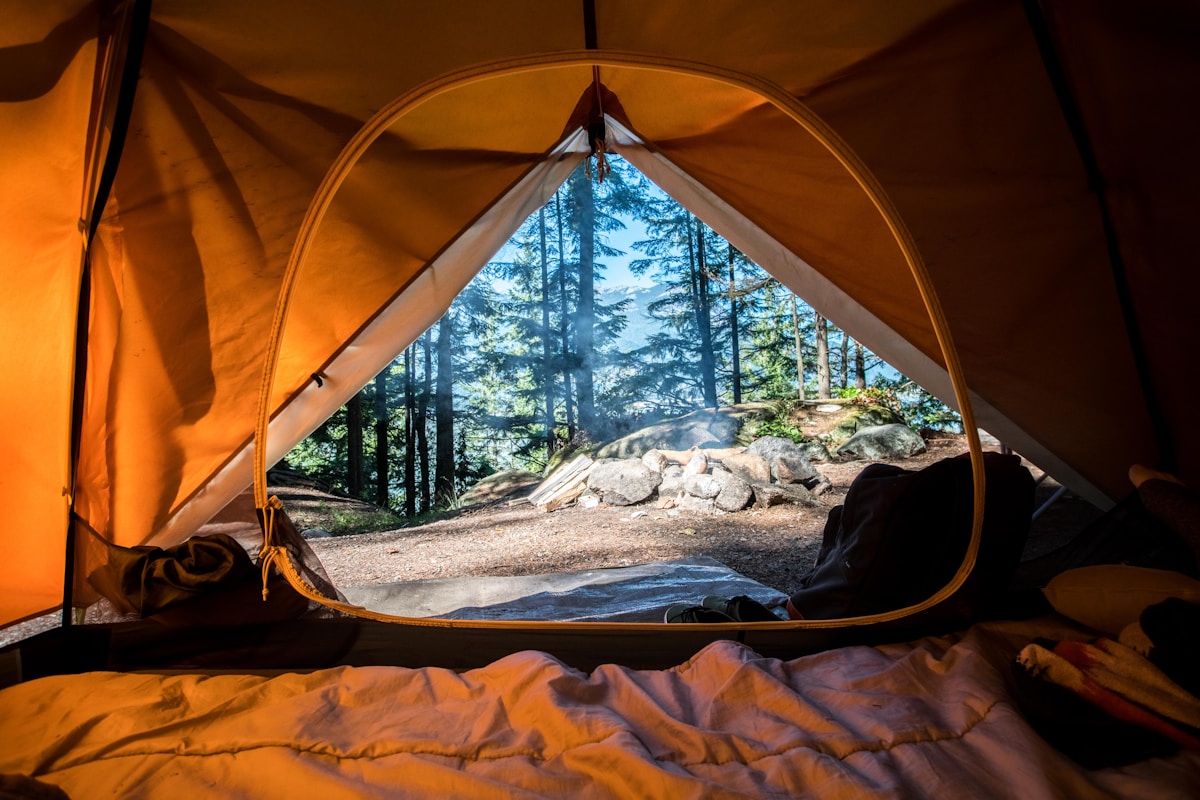
- Primary Signal: Emergency Shelter Options Every Hiker Should Carry
- Overview: An unexpected night out is survivable with the right emergency shelter. Compare bivvy bags, space blankets, tarps, and bothy bags, and learn when to stop and shelter....
- Verification: Analyzed and compiled by SkyFree Outfitters editorial monitoring desk.
Most hikers never plan to spend an unplanned night outdoors, which is exactly why emergency shelter matters. An injury, a wrong turn, or sudden bad weather can turn a day hike into an overnight stay, and exposure to wind and rain is what turns a bad situation dangerous. A shelter that weighs almost nothing can make the difference.
The simplest option is an emergency bivvy bag: a lightweight, windproof and waterproof sack you climb into. It weighs little more than a phone, costs very little, and reflects body heat. It will not be comfortable, but it will keep you alive and relatively dry through a long night.
A space blanket is even lighter but much less practical on its own. It works best as a backup or combined with a tarp setup. A small tarp, around two by three metres, is the most versatile emergency shelter: pitch it as a lean-to, an A-frame, or a windbreak, and it doubles as a rain shelter for lunch stops on normal days.
Group hikers should consider a bothy bag, a large windproof bag the whole group sits inside. It traps shared body heat and blocks wind and rain, and it is standard kit for mountain leaders. Whichever option you choose, carry it on every hike, know how to deploy it before you need it, and remember the rule: when conditions turn, stop early and shelter while you still have daylight and energy.
The right emergency shelter depends partly on where and when you hike. In warm, dry conditions, a simple bivvy bag may be all you ever need, since the main risks are wind and an unexpected night out rather than hypothermia. In cold or wet mountain areas, a tarp that you can pitch against wind and rain is far more valuable, because staying dry matters as much as staying warm. Snow and high wind call for the most robust option you can carry, and group shelters shine in those conditions.
Season changes the equation too. Summer hikers can get away with lighter emergency kit, while winter hikers should treat emergency shelter as core gear rather than an afterthought. Shorter days mean less margin for error: if you are benighted in winter, you face a much longer, colder night, so your shelter and insulation need to match that reality.
Whatever you choose, match the shelter to your skills. A tarp is versatile but only if you know several pitches and can set one up with cold hands in bad weather. A bivvy needs no skill at all, which is a genuine advantage in a real emergency when you are tired, injured, or stressed. The best emergency shelter is the one you will actually carry on every hike and can deploy when it counts.
Emergency shelter is insurance you hope never to use, and like all insurance it only works if you actually carry it. A bivvy bag or small tarp weighs very little and costs less than most other gear, yet it can turn a frightening night into a merely uncomfortable one. Pack it on every hike, know how to use it, and hike with the quiet confidence that you are prepared.
📖 Continue Reading the Full Story
Continue reading this article on SkyFree Outfitters.
⚡ Access Full Content NowMore from SkyFree Outfitters


 ✈️ SkyFree Club
Should Tour Operators Hire, Outsource, or Use AI for Phone Answering?
Hire, answering service, or AI? Honest monthly costs and tradeoffs for tour operators and travel agencies....
 ⚡ SkyFree Athletics
Should Your Gym Hire, Outsource, or Use AI for Phone Answering?
Hire, answering service, or AI? Honest monthly costs and tradeoffs for gyms, studios, and trainers....
🖋️ SkyFree Chronicles
Should Indie Publishers Hire, Outsource, or Use AI for Phone Answering?
Hire a receptionist, pay an answering service, or use AI? Honest monthly costs and tradeoffs for small publish...
 🌿 SkyFree Living
Should Off-Grid Businesses Hire, Outsource, or Use AI for Phone Answering?
Hire, answering service, or AI? Honest costs for remote lodges and off-grid operators — where a dead zone chan...