Desert Backpacking Guide: Water Carries, Shade, and Heat Safety
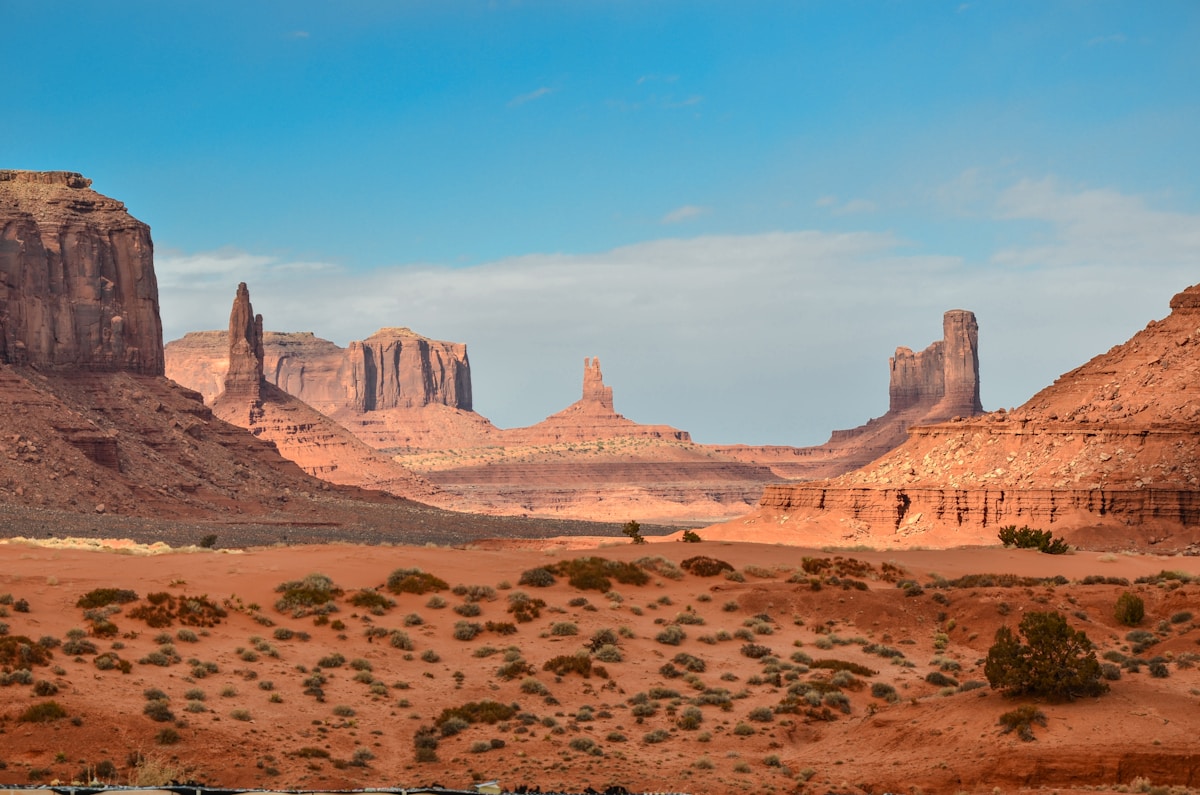
- Primary Signal: Desert Backpacking Guide: Water Carries, Shade, and Heat Safety
- Overview: Desert trails punish mistakes that forest trails forgive, especially around water and heat. This guide covers how much water to carry, how to plan around scarce sources, shade stra...
- Verification: Analyzed and compiled by SkyFree Outfitters editorial monitoring desk.
Desert backpacking looks deceptively simple: dry trails, open views, and firm ground. The danger is invisible until it is serious, because heat and dehydration build slowly and impair judgment before you notice. A desert trip succeeds on planning done at home, not on toughness on the trail.
Water planning comes first and it is pure arithmetic. In moderate heat, plan on at least four to six litres per person per day for drinking and cooking, and more if temperatures pass 35 degrees Celsius. Map every reliable water source before you leave, note which ones are seasonal, and carry capacity for the longest dry stretch plus a safety margin of one extra litre.
Never trust a single water report. Springs marked reliable in a guidebook can be dry after a dry winter, and a report from last spring may be useless in autumn. Cross-check recent trip reports, ranger updates, and satellite imagery where available, and plan a bail-out route if a critical source fails.
Carrying that much water changes your pack. Soft water bottles and a collapsible reservoir distribute weight better than rigid bottles, and packing water close to your back keeps your balance steady. Weigh your fully loaded pack at home, because a desert pack with six litres of water is six kilograms heavier than your normal kit.
Timing is a heat-management tool. Walk in the early morning and late afternoon, rest through the hottest midday hours in full shade, and consider night hiking on moonlit sections of well-marked trail. A siesta is not laziness in the desert, it is the single most effective way to cut water consumption.
Shade strategy deserves as much thought as shelter choice. A lightweight tarp pitched high catches breeze and shades a rest spot, while a light-coloured sun umbrella, increasingly popular with desert hikers, shades you while walking. A wide-brim hat, sunglasses, and a light long-sleeved shirt protect skin far better than sunscreen alone, which sweats off within an hour.
Electrolytes matter as much as water. Drinking large volumes of plain water without salts dilutes blood sodium and can cause hyponatraemia, which is genuinely dangerous. Add electrolyte tablets or salty snacks regularly, and eat even when heat suppresses your appetite, because food carries the salts your body needs.
Learn the warning signs of heat illness before you go. Headache, nausea, confusion, and stopping sweating despite the heat are all signals to stop immediately, get into shade, cool the body with wet cloths, and drink electrolytes. Heatstroke is a medical emergency: cool first, then evacuate, and never leave an affected person alone.
Desert navigation needs extra care because landmarks look alike and trails vanish on rock and sand. Carry a map and compass even if you normally rely on a phone, since heat drains batteries faster and glare makes screens hard to read. Mark water sources as waypoints before you lose signal.
Foot care changes in sand and heat. Gaiters keep sand out of shoes, and many desert hikers prefer breathable trail runners over boots for ventilation. Tape hot spots early, because a blister that is a nuisance in a forest becomes a trip-ending problem when every step is on hot, abrasive ground.
Camp selection in the desert means avoiding dry washes, which can flash flood from a storm many kilometres away, and choosing sites with morning shade so you can sleep late and pack in cool air. Store food sealed against ants and rodents, and shake out shoes each morning for scorpions and spiders.
Done right, desert backpacking is extraordinary: silent nights, huge skies, and trails you have entirely to yourself. The price of admission is respect for water and heat, and hikers who plan for both come home with stories instead of emergencies.
📖 Continue Reading the Full Story
Continue reading this article on SkyFree Outfitters.
⚡ Access Full Content NowMore from SkyFree Outfitters



 💎 LuxeLiving 768
Crypto APY Calculator UK: Staking Rewards Guide for 2026
UK crypto investors: calculate staking rewards with APY vs APR explained, tax notes for HMRC, and the best sta...
✈️ SkyFree Club
Mobile & Cloud Optimization: Playback Speed Calculator — Video Time at Any Speed (Day 16 Guide)
Testing responsive workflows with the Playback Speed Calculator — Video Time at Any Speed on SkyFree Club. Dis...
 ⚡ SkyFree Athletics
Performance Benchmark: Playback Speed Calculator — Video Time at Any Speed (Day 7 Guide)
Understanding real-world data from the Playback Speed Calculator — Video Time at Any Speed on SkyFree Athletic...
🖋️ SkyFree Chronicles
Expert Insights: Playback Speed Calculator — Video Time at Any Speed (Day 8 Guide)
The science behind our free Playback Speed Calculator — Video Time at Any Speed on SkyFree Chronicles. Discove...