Ultralight Backpacking Gear List for Beginners
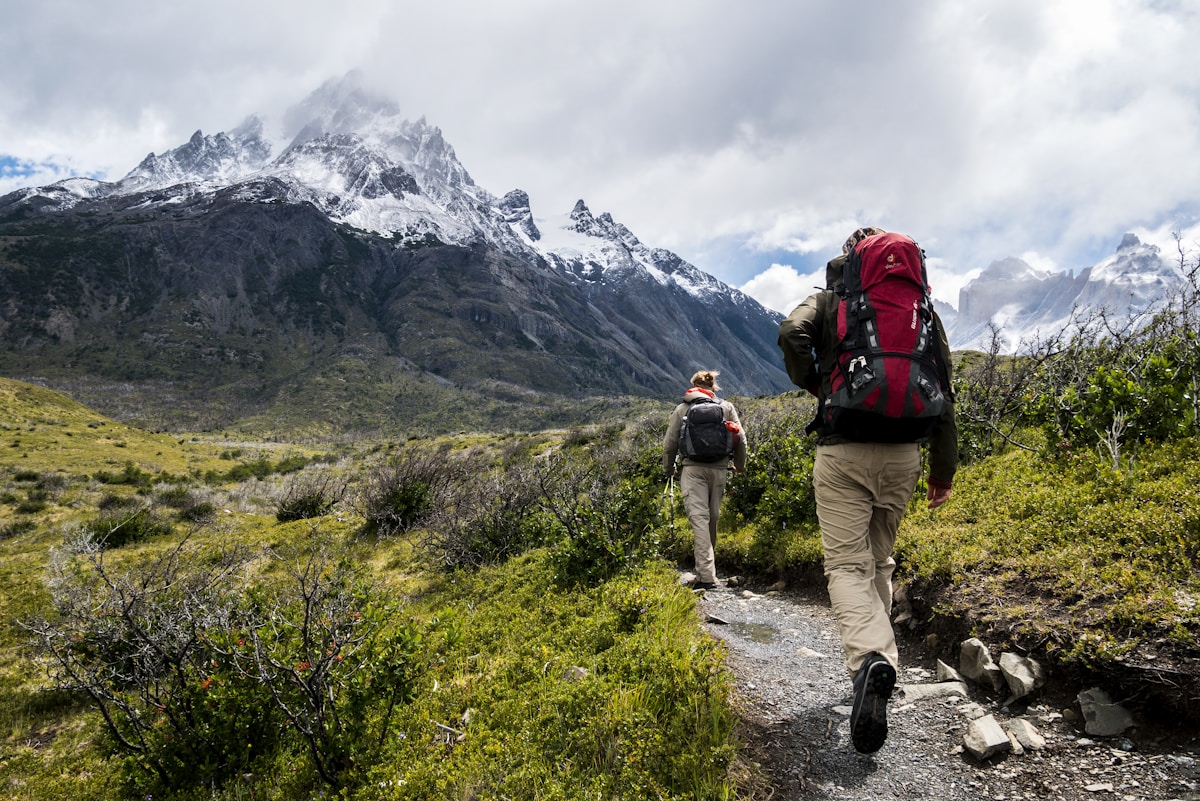
- Primary Signal: Ultralight Backpacking Gear List for Beginners
- Overview: A practical starter list for ultralight backpacking, covering the big four items plus the small essentials that keep your pack light without sacrificing safety....
- Verification: Analyzed and compiled by SkyFree Outfitters editorial monitoring desk.
Ultralight backpacking is not about buying the most expensive gear or leaving critical safety items behind. It is about making deliberate choices: every item in your pack should earn its place by being useful, light, and ideally serving more than one purpose. For beginners, the goal is simple — get your base weight (everything except food, water, and fuel) down to a level you can carry comfortably all day.
The big four — backpack, shelter, sleeping bag or quilt, and sleeping pad — usually make up most of your base weight, so they deserve the most attention. A frameless or lightly framed pack in the 40 to 55 litre range suits most three-season trips. Pair it with a simple tarp or a single-wall trekking-pole tent, a quilt rated a few degrees below the coldest night you expect, and a lightweight inflatable or foam pad.
Beyond the big four, keep the rest of your kit small and disciplined. Carry one cooking pot, a compact stove, a lighter, and a small fuel canister. Your clothing system should be layers you can mix and match: a moisture-wicking base layer, an insulating mid-layer, and a rain shell. Skip duplicate clothing — one set to hike in and one dry set to sleep in is enough for most trips.
Small items add up fast, so weigh them honestly. A headlamp, a basic first aid kit, a water filter, a map or phone with offline maps, sunscreen, and a repair kit with tape and a needle cover the essentials. Pack everything, weigh the full bag, and then remove one item you packed just in case. Repeat that process before every trip and your pack will keep getting lighter.
The most common beginner mistake is packing for fears instead of realities. Fear of being cold leads to two jackets, fear of hunger leads to double food, and fear of boredom leads to a book, a camp chair, and a speaker. Each item feels small on its own, but together they can add several kilograms. A better approach is to look at what you actually used on your last trip and cut what stayed packed the whole time. If an item survived two trips unused, leave it home on the third.
Another mistake is buying ultralight gear before learning ultralight habits. A lighter tent does not help much if you still pack a full camp kitchen and three changes of clothes. Skills reduce weight for free: learning to cook simple one-pot meals, to sleep comfortably in fewer layers, and to navigate confidently without heavy guidebooks all cut weight without spending anything. Gear upgrades should follow skill improvements, not replace them.
Finally, do not chase a target base weight at the expense of safety or comfort. A ten-kilogram base weight that keeps you warm, fed, and safe beats an ultralight setup that leaves you cold and miserable. The goal of going lighter is to enjoy walking more, not to win a numbers game. Shave weight gradually, test changes on short trips, and keep the items that genuinely make your trips better.
📖 Continue Reading the Full Story
Continue reading this article on SkyFree Outfitters.
⚡ Access Full Content NowMore from SkyFree Outfitters


 ⚡ SkyFree Athletics
How to Start Working Out at Home Without Equipment for Beginners
A complete beginner's guide to building your first no-equipment home workout routine — the right movements, a ...
 💎 LuxeLiving 768
Luxury Home Office Ideas for Executives in 2026
A luxury home office is about focus, comfort and presence on video calls. Design ideas for lighting, furniture...
✈️ SkyFree Club
What Is an AI Receptionist for Travel Agencies? A 2026 Guide
How AI voice receptionists give travel agencies 24/7 booking lines — answering trip inquiries, quoting package...
 🖋️ SkyFree Chronicles
What Is an AI Receptionist for Bookshops and Indie Publishers? A 2026 Guide
How AI voice receptionists handle after-hours calls for bookshops and small publishers — order inquiries, even...