Overnight Backpacking Packing Checklist for Beginners: What to Bring on Your First Trip
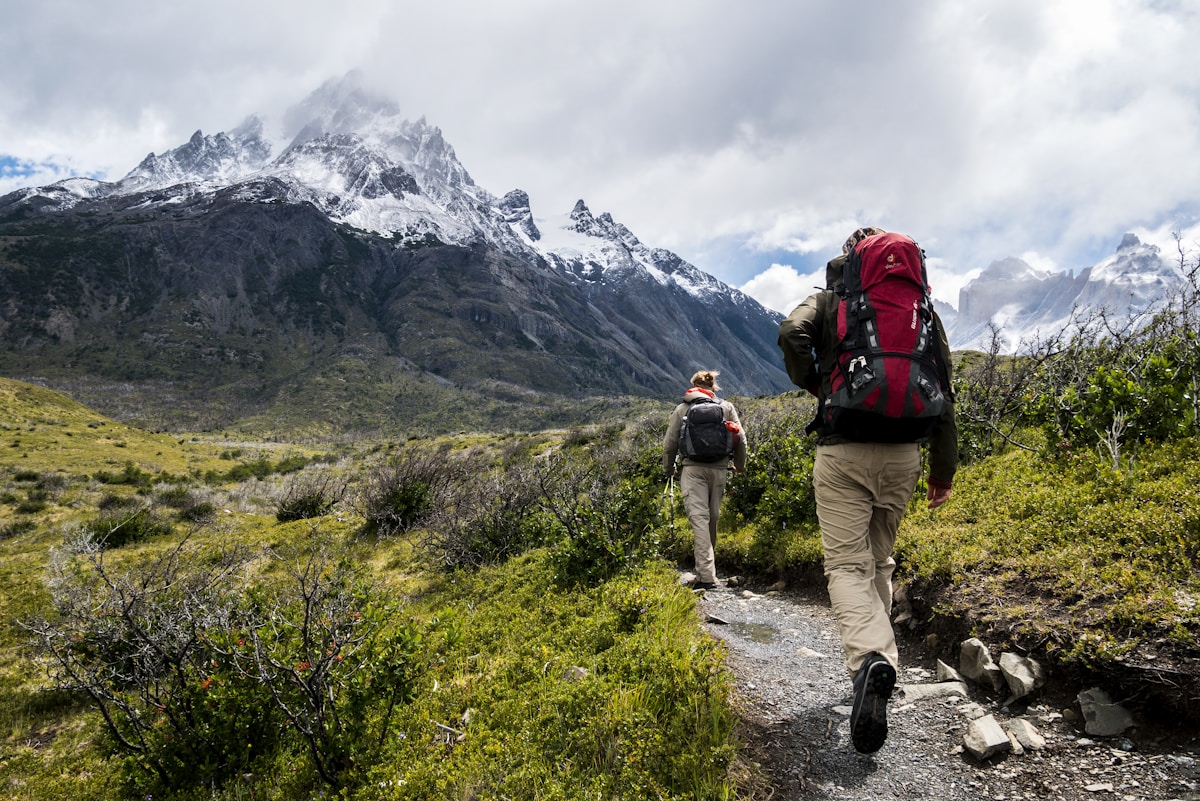
- Primary Signal: Overnight Backpacking Packing Checklist for Beginners: What to Bring on Your First Trip
- Overview: A practical overnight backpacking packing checklist for beginners, covering shelter, sleep, food, clothing and safety gear so your first trip out is comfortable rather than a lesso...
- Verification: Analyzed and compiled by SkyFree Outfitters editorial monitoring desk.
Your first overnight backpacking trip is exciting, but it is also the trip where packing mistakes hurt the most. Carry too much and every uphill step feels like punishment. Forget one essential and a small problem can turn into a miserable night. The good news is that a first overnight trip does not require specialist ultralight gear or years of experience. It requires a clear checklist, a pack that fits, and the discipline to leave the extras at home.
Start with the big three: your backpack, your shelter, and your sleep system. These are the heaviest items you will carry, so they decide how your pack feels more than anything else. For a single overnight trip, a pack in the 50 to 65 litre range gives most beginners enough room without encouraging overpacking. Your tent or shelter should be something you have already practised pitching at home, because learning to pitch a new tent in fading light at a campsite is a recipe for frustration.
Your sleep system is where beginners most often cut corners and regret it. A sleeping bag or quilt rated for the coldest temperature you expect, plus an insulated sleeping pad, matters far more than a fancy tent. The pad is not a luxury: it insulates you from the cold ground, and without it even a warm bag will feel cold underneath. If you sleep cold, take the warmer bag. A few extra grams of insulation are worth far more than the weight you save by leaving them behind.
Food and water planning is simpler than most beginners fear. For one night, you need dinner, breakfast, and snacks, plus a little extra in case the walk takes longer than planned. Choose food that is light, calorie-dense, and needs little cooking: instant noodles or a freeze-dried meal for dinner, oats or bars for breakfast, and nuts, dried fruit, and energy bars for the trail. Carry a water filter or purification tablets and check where you can refill along the route before you leave, rather than assuming every stream on the map is safe to drink from.
Clothing is about layers, not bulk. Pack a moisture-wicking base layer, an insulating mid-layer such as a fleece or light down jacket, and a waterproof rain jacket, even if the forecast looks clear. Mountain weather changes fast, and a rain jacket doubles as a wind shell. Avoid cotton, which stays wet and cold once it gets damp with sweat or rain. Take one spare pair of socks and a warm hat, and wear broken-in hiking boots or shoes rather than brand-new ones.
Safety gear is the part of the checklist beginners are most tempted to skip, and the part they should never skip. A headlamp with spare batteries, a basic first aid kit including blister care, a map and compass alongside your phone, sun protection, and a whistle all weigh very little and cover the most common problems. Tell someone your route and expected return time before you go. Download offline maps, since mobile signal is unreliable on most trails.
Finally, pack your bag the night before and walk around the block with it fully loaded. This short test reveals a badly adjusted hip belt, a squeaky strap, or a pack that is simply too heavy before you are miles from the car. Weigh the pack if you can: for a one-night trip, most beginners are comfortable somewhere between 10 and 15 kilograms including food and water. If yours is heavier, look first at duplicate clothes, heavy food packaging, and gadgets you packed just in case. Leave them out, and your first overnight trip will feel like the start of a habit, not a test of endurance.
📖 Continue Reading the Full Story
Continue reading this article on SkyFree Outfitters.
⚡ Access Full Content NowMore from SkyFree Outfitters


 🏆 2026 World Cup Central
World Cup 2026 Matchday Packing Checklist: What to Bring to the Stadium
From clear bags to power banks, here is the complete matchday checklist so stadium security never ruins your W...
✈️ SkyFree Club
How to Pack Light for a 7-Day Trip with Only a Carry-On
Fit a full week of outfits into one carry-on bag with the capsule-wardrobe method, smart packing order, and a ...
 ⚡ SkyFree Athletics
How to Start Working Out at Home Without Equipment for Beginners
A complete beginner's guide to building your first no-equipment home workout routine — the right movements, a ...
🖋️ SkyFree Chronicles
How to Write Your First Novel Without a Writing Degree
No MFA? No problem. A practical path to writing your first novel through self-directed reading, a daily writin...