How Much Water Should You Carry Hiking? A Trail-by-Trail Method
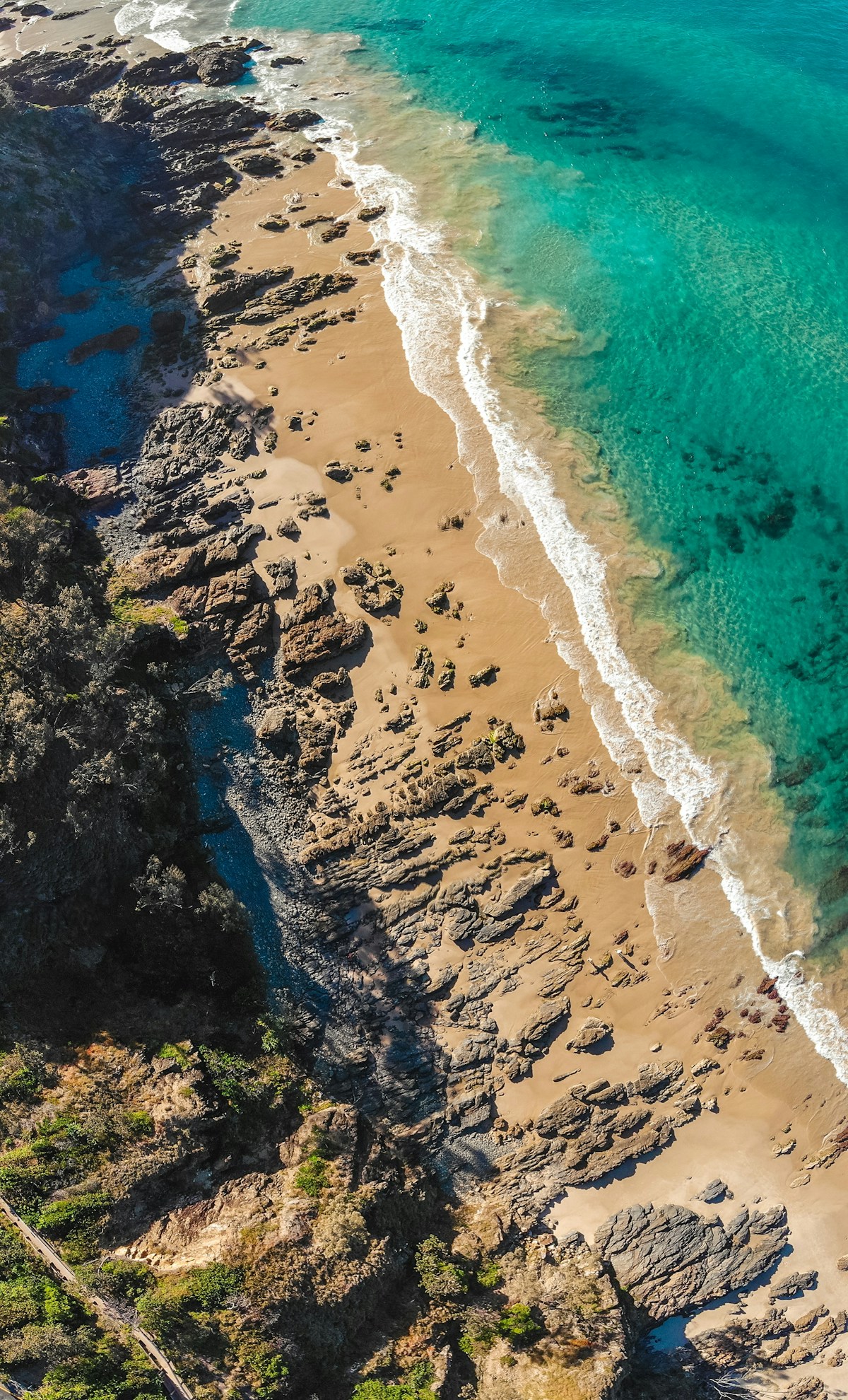
- Primary Signal: How Much Water Should You Carry Hiking? A Trail-by-Trail Method
- Overview: There is no single right amount of water for every hike: it depends on distance, heat, altitude, and where you can refill. This method helps you calculate what you actually need fo...
- Verification: Analyzed and compiled by SkyFree Outfitters editorial monitoring desk.
You have probably heard a rule like half a litre per hour, or two litres per day, and wondered whether it applies to you. The problem is that these rules ignore the biggest variables: how hot it is, how hard you are climbing, how much you personally sweat, and how far it is to the next reliable water source. A flat shaded walk on a cool morning and a steep exposed climb at midday can easily demand double the water for the same distance, so a single number is rarely right for both.
The better approach is to plan trail by trail. Break your route into segments between water sources, estimate what each segment demands, and carry enough for the longest dry stretch plus a safety margin. It takes a few minutes of planning before you set out, but it stops you from carrying litres of unnecessary weight on a route full of streams, and from running dry on a route with none.
Before the hike, study your map or guidebook and mark every reliable water source: streams, springs, lakes, and taps at huts or trailheads. Note which ones are seasonal, since a stream marked on a map may be dry in late summer, and check recent trip reports if you can. The distance between sources is what matters, not the total length of the hike, because you can refill at each one.
Be honest about reliability. A spring described as intermittent, a cattle trough, or a stream in a drought-prone area should not be counted on unless you have recent confirmation it is flowing. When in doubt, plan as if that source does not exist, and treat finding water there as a bonus. This conservative habit is what keeps a long dry stretch from becoming an emergency.
Your water needs depend on your body, your pace, and the conditions. As a rough starting point for planning, many hikers use around half a litre per hour of moderate walking in mild weather, rising to a litre or more per hour in heat or on steep climbs. These are planning figures, not medical facts, and your own experience matters more: if you know you drink heavily on hot days, plan for that rather than for an average hiker.
Test yourself on shorter hikes. Note how much you drink over a known distance and elevation gain in particular temperatures, and use that as your personal baseline. Factors that push needs up include heat, humidity, altitude, a heavy pack, and salty food, while cool, shaded, flat walking pushes them down. Over time you will build a reliable sense of your own rate, which beats any generic rule.
For each stretch between water sources, multiply your estimated hourly need by the time you expect that stretch to take, not just its distance, since a steep climb takes far longer than a flat walk of the same length. Add a safety margin of roughly a third extra for the longest dry stretch, to cover a wrong turn, a slower pace, or hotter weather than forecast. Then add water for camp: cooking, drinking in the evening, and the next morning before you reach water again.
As an illustration, a four-hour dry stretch at a planning rate of half a litre per hour gives two litres, plus a margin of about two-thirds of a litre, so you would start that stretch carrying around two and a half to three litres. On a route with a stream every hour, you might carry only one litre at a time and refill often, saving weight and keeping your water fresh. The maths is simple; the discipline of doing it before each hike is what makes it work.
Spread your water across two or more bottles rather than one large container, so a leak or a dropped bottle does not lose your whole supply. Keep at least one bottle easily reachable while walking, since water buried in your pack tends not to get drunk. In hot weather, sip regularly rather than waiting until you feel very thirsty, and eat salty snacks to help your body hold on to the water you drink.
Always carry a treatment method, whether a filter, purification tablets, or a stove for boiling, so that a stream you find is actually usable. A filter that clogs or tablets that take half an hour to work should be factored into your timing. Finally, tell someone your route and expected return time, so that a water miscalculation that forces you to stop early is an inconvenience, not a crisis.
📖 Continue Reading the Full Story
Continue reading this article on SkyFree Outfitters.
⚡ Access Full Content NowMore from SkyFree Outfitters



 💎 LuxeLiving 768
Crypto APY Calculator Australia: 2026 Staking Rewards Guide
Australian crypto investors: estimate your staking rewards with a crypto APY calculator. Compare APY vs APR, c...
✈️ SkyFree Club
Mobile & Cloud Optimization: Playback Speed Calculator — Video Time at Any Speed (Day 16 Guide)
Testing responsive workflows with the Playback Speed Calculator — Video Time at Any Speed on SkyFree Club. Dis...
 ⚡ SkyFree Athletics
Performance Benchmark: Playback Speed Calculator — Video Time at Any Speed (Day 7 Guide)
Understanding real-world data from the Playback Speed Calculator — Video Time at Any Speed on SkyFree Athletic...
🖋️ SkyFree Chronicles
Expert Insights: Playback Speed Calculator — Video Time at Any Speed (Day 8 Guide)
The science behind our free Playback Speed Calculator — Video Time at Any Speed on SkyFree Chronicles. Discove...