Frameless vs Framed Ultralight Backpacks: Which One Fits Your Base Weight?
- Primary Signal: Frameless vs Framed Ultralight Backpacks: Which One Fits Your Base Weight?
- Overview: Frameless packs save a pound, but only if your load is light enough. Here is how to decide which style actually fits your base weight and your back....
- Verification: Analyzed and compiled by SkyFree Outfitters editorial monitoring desk.
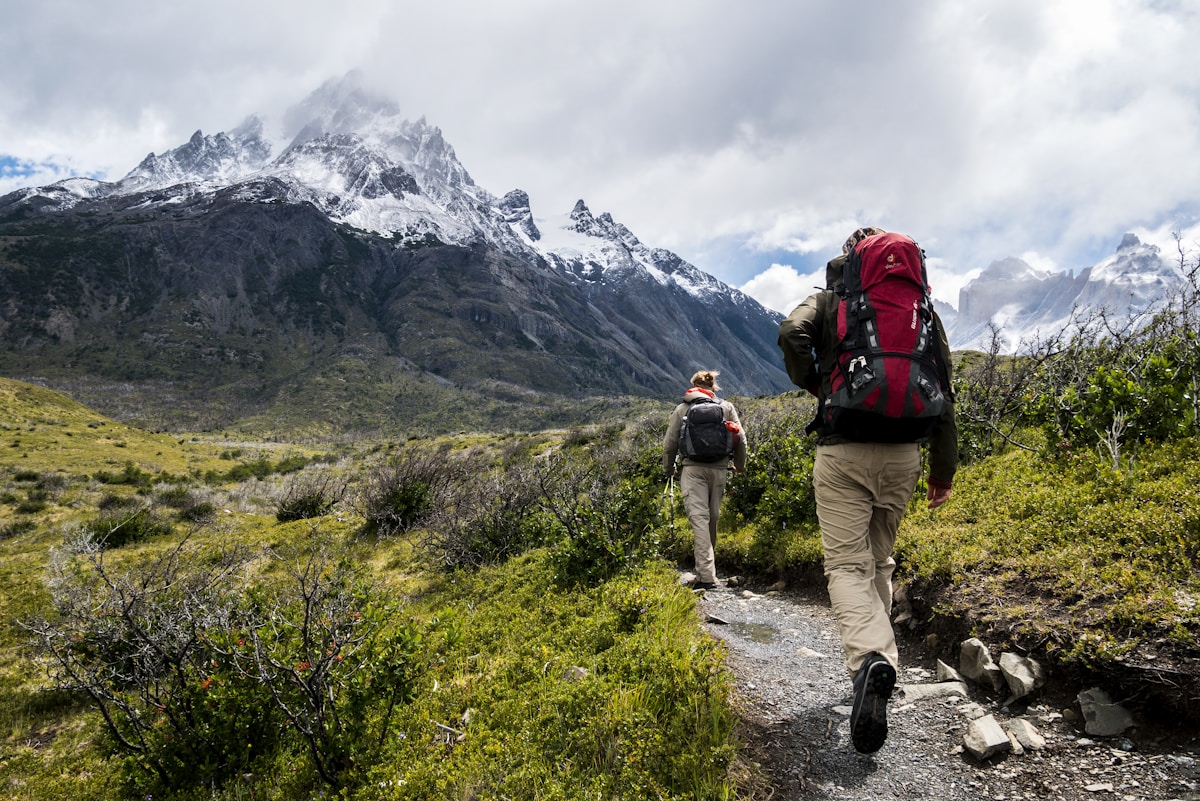
The frameless versus framed debate is really a question about your base weight. Frameless packs strip out the internal frame and hip belt structure to save 12 to 16 ounces, but they can only carry that weight comfortably when the load is light and well-packed. Framed ultralight packs keep a light frame and a real hip belt, which costs a little weight but transfers the load to your hips. Choosing wrong means either carrying unnecessary weight or suffering under a pack that was never meant for your load.
A frameless pack has no rigid structure, so it relies on your gear to give it shape. Most hikers fold a closed-cell foam sleeping pad inside the pack to create a virtual framesheet, and the pack's contents press against your back to form a soft, flexible load. This works well up to about 20 to 25 pounds of total weight, and the best frameless packs weigh just 14 to 20 ounces. Popular models like the Hyperlite Mountain Gear 2400 and the Gossamer Gear Kumo prove the concept on long trails. The trade-off is that there is no load transfer to your hips — your shoulders carry most of the weight, which is fine for light loads but tiring when the pack gets heavy.
If your base weight is above 12 pounds, or your total pack weight regularly exceeds 25 pounds with food and water, a framed pack is almost always more comfortable. Modern framed ultralight packs like the Durston Kakwa 40 or the ULA Circuit weigh only 26 to 40 ounces yet carry 30 to 35 pounds with real hip-belt support. They also handle awkward loads better — a bear canister, a long water carry, or a winter layer — because the frame keeps the weight close to your spine. Beginners should almost always start framed: it forgives packing mistakes and lets you enjoy the trail instead of fighting your gear.
A useful rule of thumb is the 10-pound line. If your base weight is under 10 pounds and your total weight stays under 20, a frameless pack will feel great and save you meaningful weight. Between 10 and 15 pounds of base weight, the choice depends on your trip style — frameless works for short resupplies, framed is better for long food carries. Above 15 pounds of base weight, a framed pack is the right tool, and trying to go frameless will cost you more in comfort than it saves in ounces. Weigh your gear honestly with a kitchen scale and a spreadsheet before deciding, because guessing your base weight is how most hikers buy the wrong pack.
Pack fit matters more than the frame debate. Measure your torso length — from the bump at the base of your neck to the top of your hip bones — and match it to the manufacturer's sizing chart. Load the pack with 20 pounds of gear and walk around the store or your house for at least 20 minutes; pressure points show up quickly. Check that the hip belt sits on your hip bones, not your waist, and that the shoulder straps do not dig in. Many ultralight brands offer generous return policies, so take advantage of them and test the pack on a real overnight trip before committing to a long hike.
For most hikers in 2026, a light framed pack is the best all-round choice: it weighs only a few ounces more than a frameless pack and carries comfortably across a much wider range of loads. Go frameless only when your base weight is genuinely under 10 pounds and you have the experience to pack a shapeless bag well. Whichever you choose, keep the rest of your kit light — the pack is the last thing to optimise, not the first. Shave weight from your shelter and sleep system first, and the pack decision becomes easy, because a light load makes any good pack feel great.
📖 Continue Reading the Full Story
Continue reading this article on SkyFree Outfitters.
⚡ Access Full Content NowMore from SkyFree Outfitters



 💎 LuxeLiving 768
Crypto APY Calculator UK: Staking Rewards Guide for 2026
UK crypto investors: calculate staking rewards with APY vs APR explained, tax notes for HMRC, and the best sta...
 ✈️ SkyFree Club
Cheapest Ways to Book Business Class to Europe With Points in 2026
Business class to Europe can cost 60,000 points or 200,000 — the difference is the program you book through. H...
 ⚡ SkyFree Athletics
How Long Should You Rest Between Calisthenics Sets? A Practical Guide
Rest too little and your reps collapse; rest too long and your workout drags. Here is how long to rest for str...
 🖋️ SkyFree Chronicles
Traditional vs Self-Publishing in 2026: How to Choose the Right Path for Your Book
Traditional publishing offers prestige and bookstore reach; self-publishing offers speed, control, and 70 perc...