Do You Need Hiking Gaiters? When They Help and When They Don't
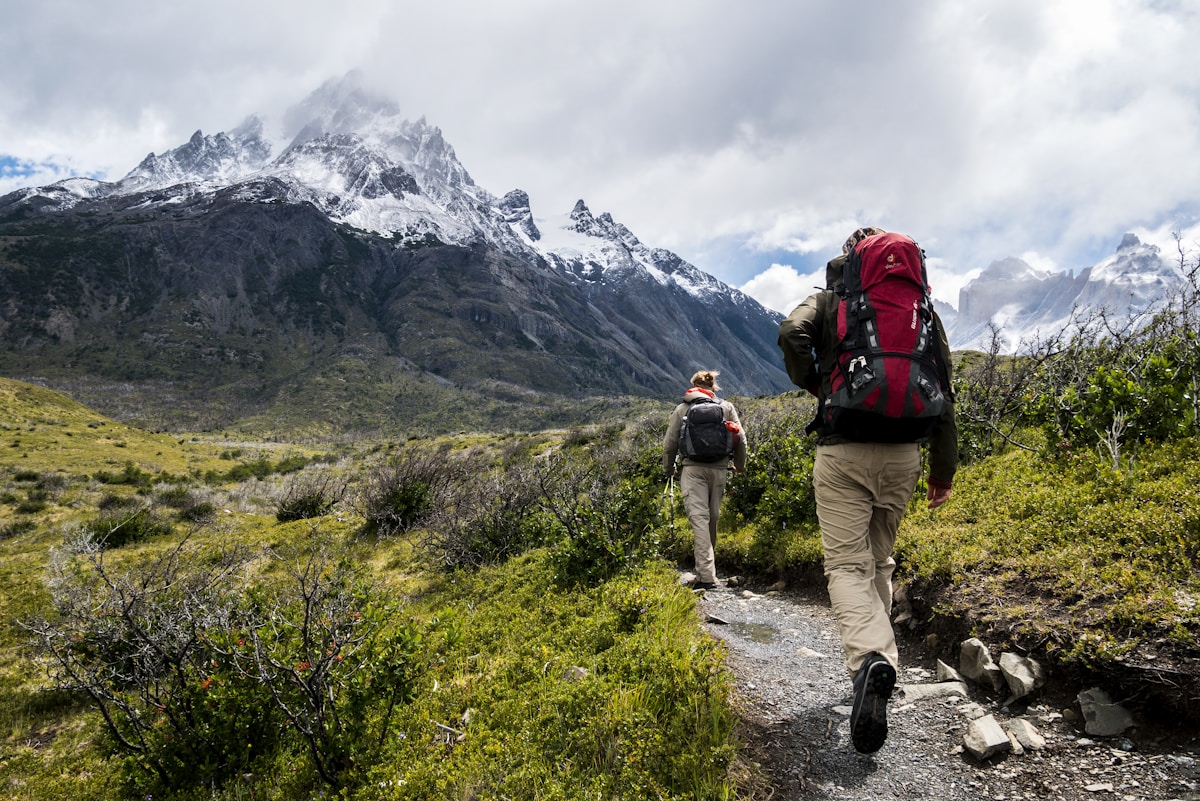
- Primary Signal: Do You Need Hiking Gaiters? When They Help and When They Don't
- Overview: Hiking gaiters keep debris, mud, and snow out of your boots, but they are not essential on every trail. Here is how to decide when they earn their place in your pack....
- Verification: Analyzed and compiled by SkyFree Outfitters editorial monitoring desk.
Hiking gaiters are fabric sleeves that wrap around your lower leg and the top of your boot, closing the gap where dirt, stones, snow, and water normally sneak in. Most attach with a hook at the front of the boot, a strap under the sole, and a closure up the back or side of the leg. Their job is simple: keep the inside of your footwear clean and dry so you can walk comfortably for longer without stopping to empty your boots every few hundred metres.
That simple job matters more than it sounds. A small stone inside a boot can rub a blister raw within an hour, and wet socks in cold weather can turn a pleasant walk into a miserable one. Gaiters do not make your boots waterproof, and they will not save you from a deep river crossing, but they do stop the steady trickle of trail debris and splash that causes most minor foot problems on a hike.
Gaiters earn their weight on muddy, snowy, or overgrown trails. In spring snowmelt or after rain, low gaiters keep mud and grit from working down into your shoes, which is especially useful if you wear trail runners with low collars. In snow, taller gaiters stop powder from packing around your ankles and melting into your socks. On brushy or off-trail routes, they protect your lower legs from scratches, thorns, and ticks, and they keep seeds and burrs out of your socks.
Scree and desert terrain are another strong case. Loose gravel on steep slopes funnels straight into low shoes, and stopping every ten minutes to shake it out wastes time and patience. Gaiters also help on dusty trails, where fine grit slowly works through laces and mesh. If your route includes any of these conditions for more than a short stretch, a pair of lightweight gaiters is one of the cheapest comfort upgrades you can carry.
On a dry, well-maintained trail in warm weather, gaiters are usually unnecessary weight. If the path is clear dirt or gravel with no mud, snow, or brush, there is little for them to block, and your legs will stay cooler without an extra layer wrapped around them. Many experienced hikers skip gaiters entirely on summer day hikes and never miss them.
Weight and bulk are the real trade-off. A pair of sturdy gaiters can weigh as much as a small piece of gear, and on a long backpacking trip every gram competes with food, water, and shelter. If you are counting grams and your route is mostly smooth trail, leave them at home and accept the occasional stop to empty your shoes. The same applies to short, easy walks near town, where a bit of dust in your shoes is a minor inconvenience rather than a trip-ruining problem.
Match the height to the conditions. Ankle-height gaiters, sometimes called dirty-girl style gaiters, are light and suit trail runners on dusty or gravelly paths. Mid-height gaiters cover the ankle and lower shin and work well for mud and light snow. Tall gaiters reach near the knee and are the choice for deep snow, serious mud, or dense brush, though they are heavier and warmer.
Fit matters more than brand. The gaiter should sit snugly around your calf without sliding down as you walk, and the underfoot strap should be adjusted so it does not snag on rocks. Try them on with the exact boots or shoes you will hike in, walk around the house, and check that the front hook stays attached to your laces. A pair that constantly slips or unhooks is worse than no gaiters at all, because you will spend the hike fiddling with it instead of enjoying the trail.
Bring gaiters when your route has mud, snow, scree, thick brush, or long dusty stretches, and leave them behind on dry, clear trails in warm weather. If you only buy one pair, a lightweight mid-height model covers the widest range of conditions for most three-season hikers. Treat them as a conditional tool rather than a default item, and decide based on the trail in front of you, not on a packing list written for someone else's hike.
📖 Continue Reading the Full Story
Continue reading this article on SkyFree Outfitters.
⚡ Access Full Content NowMore from SkyFree Outfitters



 🛍️ Caylin Shop
Viral Skincare Tools: A Buyer's Guide to What Actually Helps
Viral skincare tools promise clearer, firmer skin, but results vary and some tools can irritate. Learn how to ...
 💎 LuxeLiving 768
Crypto APY Calculator Australia: 2026 Staking Rewards Guide
Australian crypto investors: estimate your staking rewards with a crypto APY calculator. Compare APY vs APR, c...
 🐋 CryptoAce VIP
How Do Crypto Mining Pools Work and Are They Worth Joining in 2026?
A mining pool combines thousands of miners' hashpower and splits block rewards proportionally, turning solo mi...
₿ Lucky Satoshi
What Are Bitcoin Casino Loyalty Points and How Do They Work?
Loyalty points are earned per wager and climb you through tiers toward cashback, reloads, and better limits. T...