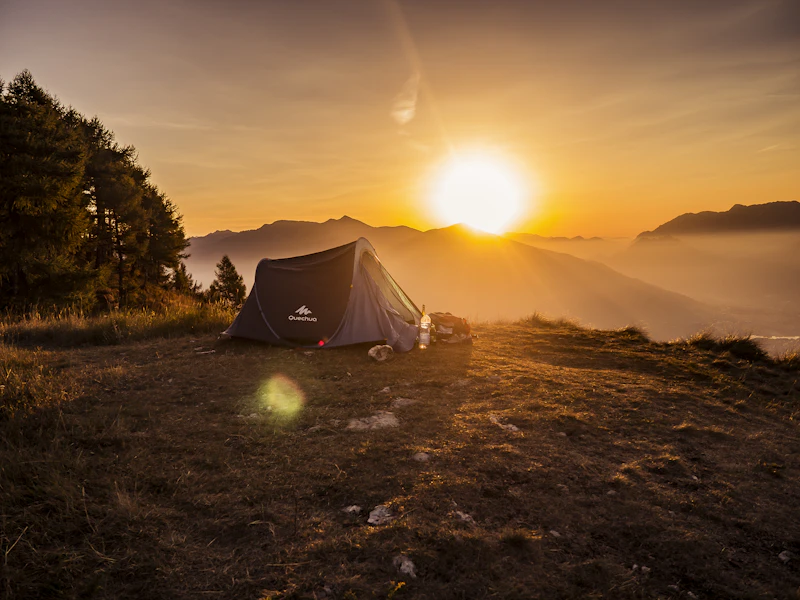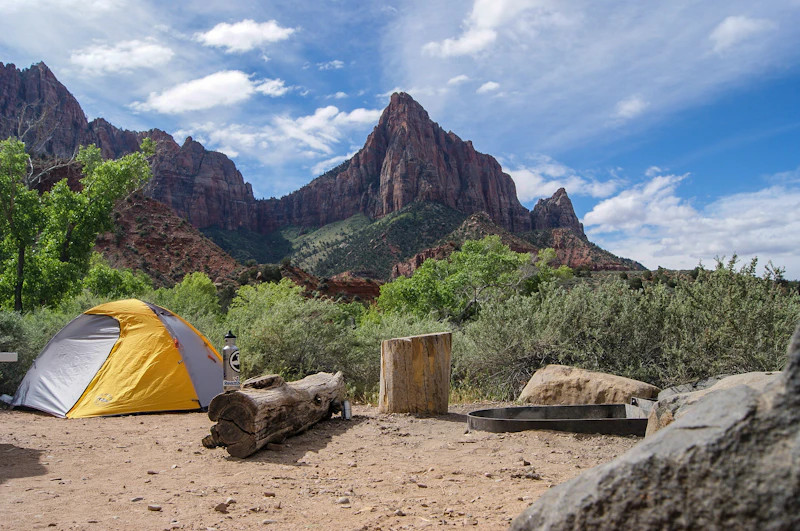
Learn three beginner-friendly ultralight tarp pitches — A-frame, lean-to, and storm pitch — plus site selection and tension tips that keep a tarp stable overnight.

Archive: 2026
492 stories published in 2026
Skip the stove and fuel: cold soaking turns couscous, instant rice, oats, and beans into tasty trail meals if you time the soak, season boldly, and pack the right jar.
Carbon fiber poles are 30 to 40 percent lighter, but aluminum bends instead of snapping — here is how to choose by terrain, pack weight, and cold weather.
R-value measures how well a pad stops the cold ground stealing your heat — here is the simple scale for summer, three-season, and winter nights, and when to stack pads.
A frameless pack feels great only when your gear becomes the frame — use a foam pad as a back panel, keep heavy items close and centred, and eliminate dead space.
Trail runners are lighter, dry faster, and cause fewer blisters for most backpackers — but boots still win for heavy loads, snow, and weak ankles. Here is how to decide.
Most solo hikers need only 110 grams of canister fuel for a weekend — here is how to calculate boils, cold weather, and snow melting so you never carry a half-empty canister home.
Condensation is not a leak — it is your breath and body heat meeting cold fabric. Ventilate, pitch high and breezy, and keep wet gear outside to wake up dry.
An ultralight first aid kit should weigh 3 to 6 ounces and cover blisters, small cuts, pain, and stomach trouble — not every imagined emergency. Build it for your skills and trip.
Most buyers should choose 512GB. A 256GB laptop leaves about 218GB usable, which is too little once the system, apps, photos, and a few games are counted.
Down loses its loft when washed the wrong way, but a careful machine wash restores warmth and freshness. This guide covers detergent, machine settings, drying, and storage so your bag lasts for years.
Dyneema tents are dramatically lighter but cost several times more than nylon and behave differently in wind, rain, and repairs. This comparison weighs weight, durability, weather performance, and value so you can choose with confidence.
Trekking poles add around 300 grams to your kit, so ultralight hikers often question them. This guide weighs the knee-saving, balance, and shelter benefits against the weight, and compares fixed, folding, and adjustable poles.
Desert trails punish mistakes that forest trails forgive, especially around water and heat. This guide covers how much water to carry, how to plan around scarce sources, shade strategies, and the warning signs of heat illness.
Winter ultralight hiking is about a smart layering system, not one giant jacket. This guide explains base, active insulation, wind, and static insulation layers, and how to adjust them on the move to avoid sweating.
Solo hiking rewards you with total freedom, but there is no partner to notice a mistake. This checklist covers trip plans, communication, navigation, and camp habits that keep a first solo trip safe.
Most gear damage happens in storage, not on the trail: crushed down, mildewed tents, dead batteries, and cracked coatings. This guide covers cleaning, drying, and storing each category so your kit is ready next season.
Ultralight gear has a reputation for high prices, but the biggest weight savings cost almost nothing. This guide ranks free and cheap swaps, from ditching stuff sacks to repackaging food, before you spend a dollar on new gear.
Resupply planning decides whether a thru-hike feels smooth or stressful. This guide compares buying along the trail, mailing food boxes, and a hybrid plan, with realistic costs, timing, and food choices.
Dogs love the trail, but backpacking with one adds weight, rules, and responsibility. This guide covers dog fitness, pack and gear choices, trail etiquette, and the hazards to watch for on multi-day trips.
Skip the stove and still eat well on the trail. These 12 no-cook backpacking meals are calorie-dense, lightweight, and ready in minutes.
R-value is the number that decides whether you sleep warm or shiver all night. Here is how to read it and pick the right pad for three-season backpacking.
Frameless packs save a pound, but only if your load is light enough. Here is how to decide which style actually fits your base weight and your back.
Two filters dominate ultralight water treatment. We compare flow rate, weight, durability, and field maintenance to pick a winner for your trips.