Filters give you water instantly but miss viruses; tablets kill almost everything but make you wait. Here is how each method actually works, when each one wins, and why most experienced hikers carry both.
Archive: November 2026
282 stories published in November 2026
Your sleeping bag gets the credit, but your pad does the hard work: the ground steals more heat than the air. R-value is the number that tells you whether your pad can handle the night ahead.
A tarp can cut a pound or more from your pack, but it demands skill and fair weather. A tent costs weight and buys forgiveness. Here is how to choose honestly for the trips you actually take.
Two packs with the same weight can feel completely different. Where you put each item decides whether the load rides on your hips or drags on your shoulders, and the method takes five minutes to learn.
Carry too little and you risk dehydration; carry too much and every extra litre is a kilo on your back. This simple formula balances distance, heat, and water sources so you carry exactly what you need.
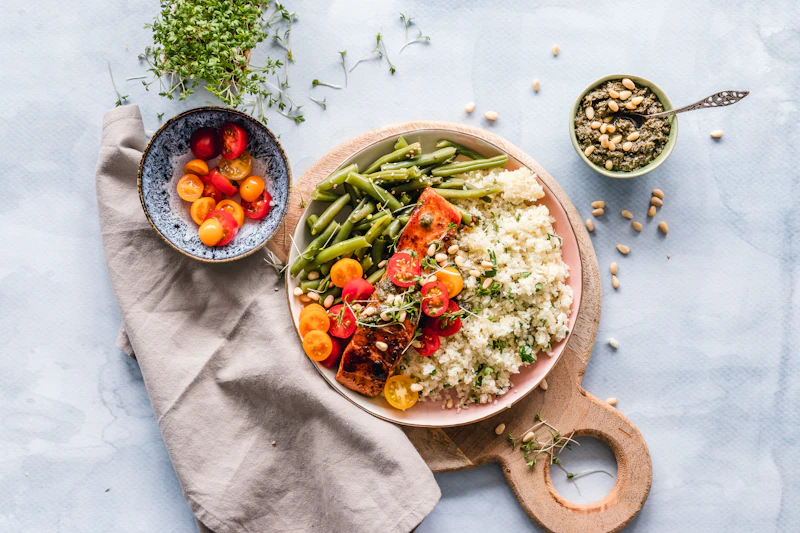
No stove, no fuel, no waiting for water to boil. No-cook backpacking food can be lighter, simpler, and surprisingly filling, if you pick the right calories and plan your meals properly.
Blisters end more hikes than bad weather. They are also almost entirely preventable: the right socks, the right fit, and a little attention in the first hour will save your feet for the whole trip.
Ultralight gear has a reputation for emptying wallets, but the biggest weight savings cost nothing at all. Here is how to drop pounds from your pack with cheap swaps, DIY tricks, and smarter choices.
Diary kaise likhe? Diary likhne ka asaan tareeqa — kya likhein, kab likhein, apne jazbat kaise likhein aur likhne ki aadat kaise banayein. Sab kuch Roman Urdu mein.
Wet feet cause blisters, cold toes, and miserable miles. Learn the layering system, footwear choices, and trail habits that keep feet dry on any hike.
Freeze dried meals are the lightest way to eat well on the trail. We compare the best options for taste, calories per ounce, price, and rehydration time.
Running out of water is the most common backcountry emergency. Learn to read maps, spot hidden sources, and judge which water is safe to filter.
Taking your dog hiking is one of the great joys of the trail, but it needs preparation. Learn the training, gear, and trail manners that keep dogs safe.
A camp chair turns a rest stop into real recovery. We compare the lightest chairs for backpackers on weight, comfort, pack size, and price.
A down jacket is the warmest layer per gram you can carry. Learn fill power, weight, fit, and features so you buy the right one the first time.
Bladders let you sip hands-free, bottles let you see your water and share it. Compare weight, cleaning, freezing, and trail practicality.
You do not need to spend $400 to sleep dry on the trail. These budget tents under $200 offer real weather protection at a weight backpackers can carry.
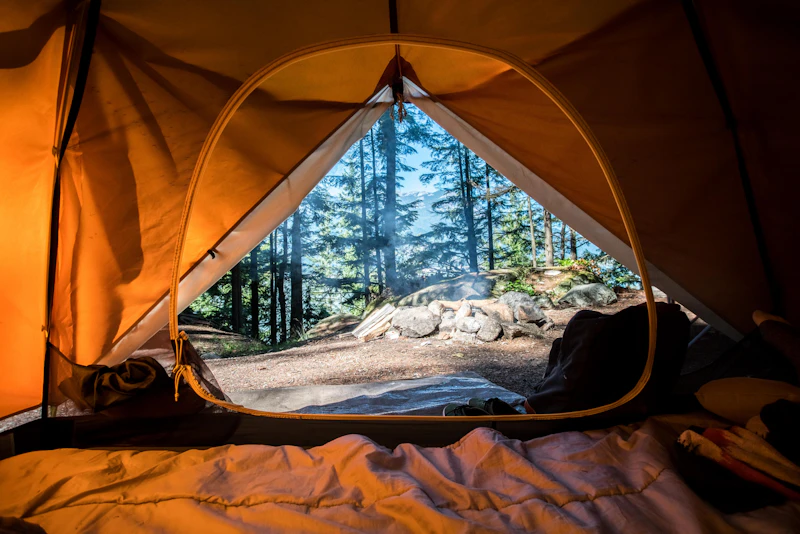
Rain does not have to ruin a camping trip. Learn site selection, tarp setups, and wet-weather routines that keep you and your gear dry.
A soft pastel sewing sticker celebrating handmade warmth, slow winter evenings, and the quiet joy of making things by hand — perfect for journals, laptops, and thoughtful little gifts.
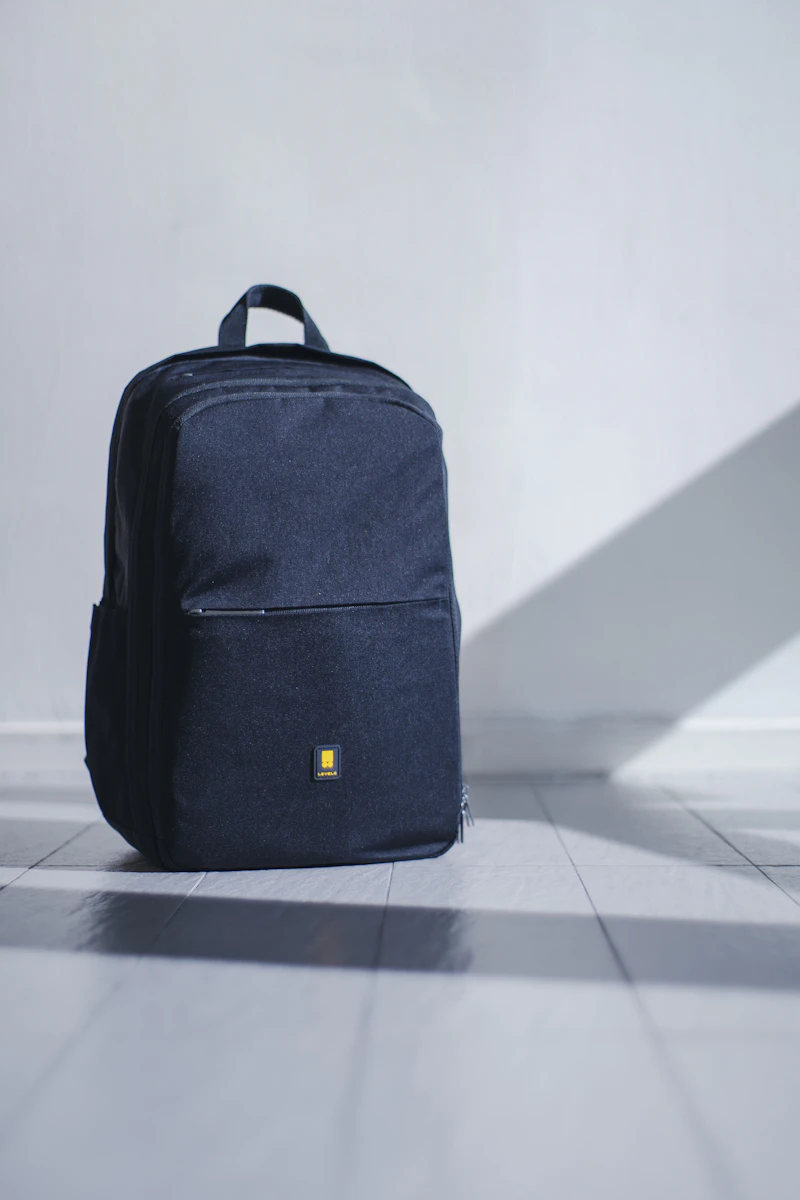
A good daypack disappears on your back and holds everything you need. This guide explains the right size, the features that matter, and how to choose a pack that fits your hiking style.
One-pot meals mean less washing up, less fuel, and less weight. These ten simple dinners use one pot, a few supermarket ingredients, and cook in under 15 minutes at camp.
Good coffee on the trail is easier than most hikers think. These five lightweight methods cover every budget and pack weight, from instant coffee to a proper pour-over at sunrise.
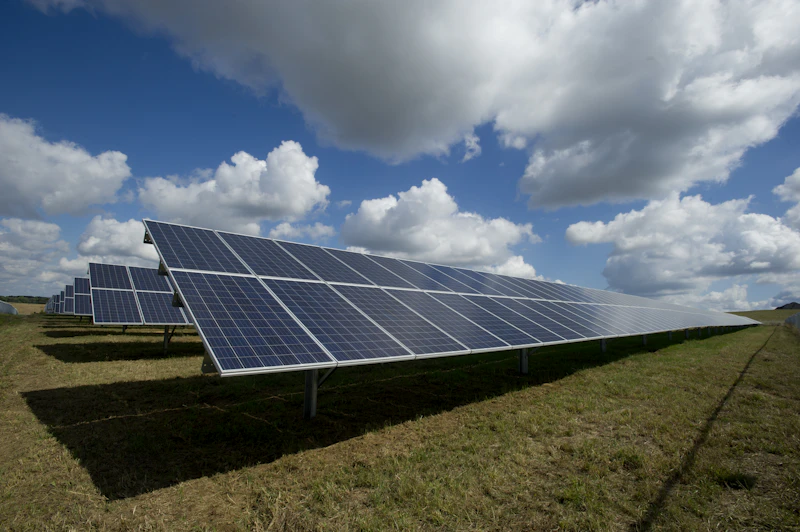
Keeping a phone charged on a multi-day hike means choosing between a power bank and a solar charger. This comparison covers weight, real charging speed, and which one wins for each trip length.
River crossings are one of the most dangerous parts of hiking, and most accidents happen because hikers rush. This guide explains how to judge a river, cross it safely, and when to turn back.