Best Daypack for Hiking in 2026: What to Look For Before You Buy
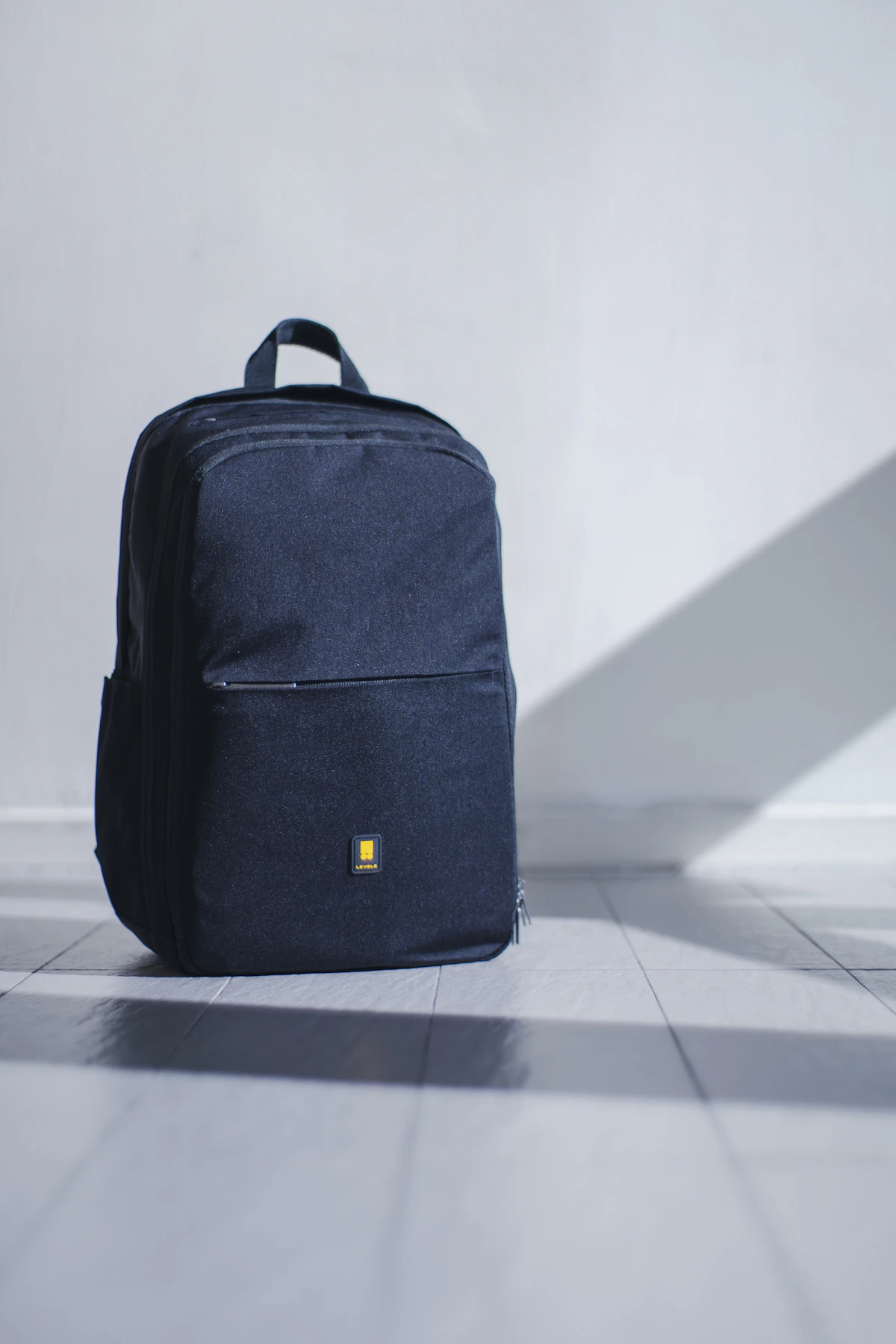
- Primary Signal: Best Daypack for Hiking in 2026: What to Look For Before You Buy
- Overview: A good daypack disappears on your back and holds everything you need. This guide explains the right size, the features that matter, and how to choose a pack that fits your hiking s...
- Verification: Analyzed and compiled by SkyFree Outfitters editorial monitoring desk.
A daypack is the most-used piece of hiking gear most people own, and it is also the most often bought wrong. People buy packs that are too big, too small, or built for a different kind of hiking. A good daypack should feel like part of your body, carry everything you need, and still have room for the jacket you take off an hour in.
Size is the first decision. For a day hike, 15 to 25 litres is right for most people. That holds water, food, a rain jacket, a first aid kit, sunscreen, and a warm layer. Packs under 15 litres are fine for short, easy walks, but they force you to leave things behind. Packs over 30 litres are really overnight packs, and they tempt you to carry too much.
Fit matters more than brand. A daypack should sit on your hips as much as on your shoulders. Look for a padded hip belt, even on a small pack, and adjustable shoulder straps that do not dig in. Try the pack on with weight in it, not empty. A pack that feels good empty can feel terrible with 5 kilograms inside.
Check the back panel. A ventilated, mesh back panel keeps air moving between your back and the pack, which matters on hot days. Some packs have a suspended mesh panel that holds the pack away from your back. Others have simple foam padding. Either works, but a sweaty, flat back panel will make you miserable on a long climb.
Water carrying is a practical question. Most daypacks have two side pockets for bottles, and many have a sleeve for a hydration bladder inside. If you prefer bottles, make sure you can reach them without taking the pack off. If you prefer a bladder, check that the hose routing works and the bite valve does not leak.
Look for a rain cover or a waterproof design. Many daypacks now include a rain cover in a small pocket at the bottom. If yours does not, a cheap pack cover or a large dry bag inside will do the same job. Wet gear is heavy gear, and a soaked pack can add a kilogram of water weight by the end of a rainy hike.
Organisation beats extra pockets. A good daypack has one main compartment, a small top pocket for keys and a phone, and a hip belt pocket for snacks. That is enough. Packs with a dozen small pockets look clever in the shop, but on the trail you forget which pocket holds what, and you waste time searching.
Weight is worth checking. A good daypack weighs between 500 grams and 1 kilogram empty. Heavier packs often have extra padding and features you do not need for a day hike. If you plan to carry the pack for 6 hours, every 200 grams you save is weight your shoulders will thank you for by the last mile.
Try before you buy if you can. Load the pack with the gear you actually carry, walk around the shop for 10 minutes, and adjust the straps. Tighten the hip belt first, then the shoulder straps, then the load lifters. If the shop lets you, walk up and down stairs. A pack that stays put on stairs will stay put on the trail.
A daypack is not a fashion item. It is a tool that carries your water, food, and safety gear. Choose the right size, make sure it fits with weight in it, and pick the features you will actually use. Spend the money you save on a better rain jacket or a good pair of socks, and your hiking will improve more than any pack upgrade could.
Q: What size daypack do I need for hiking? A: 15 to 25 litres covers most day hikes. That fits water, food, a rain jacket, a first aid kit, and a warm layer.
Q: Should a daypack have a hip belt? A: Yes. A padded hip belt moves weight off your shoulders and onto your hips, which makes a big difference on long hikes.
Q: How much should a daypack weigh? A: Between 500 grams and 1 kilogram empty is a good target. Heavier packs are fine for short walks, but they add up over a long day.
More from SkyFree Outfitters

