How professionals get 10x value from the TikTok Video Downloader on SkyFree Outfitters. Discover essential hidden features, speed shortcuts, and power-user configurations, real-time calculations, and expert actionable insights for 2026.

Archive: October 2026
210 stories published in October 2026
Next-generation developments in Meta Tag Generator & SERP Preview on SkyFree Outfitters. Discover essential upcoming standards, machine-assisted workflows, and scalability, real-time calculations, and expert actionable insights for 2026.

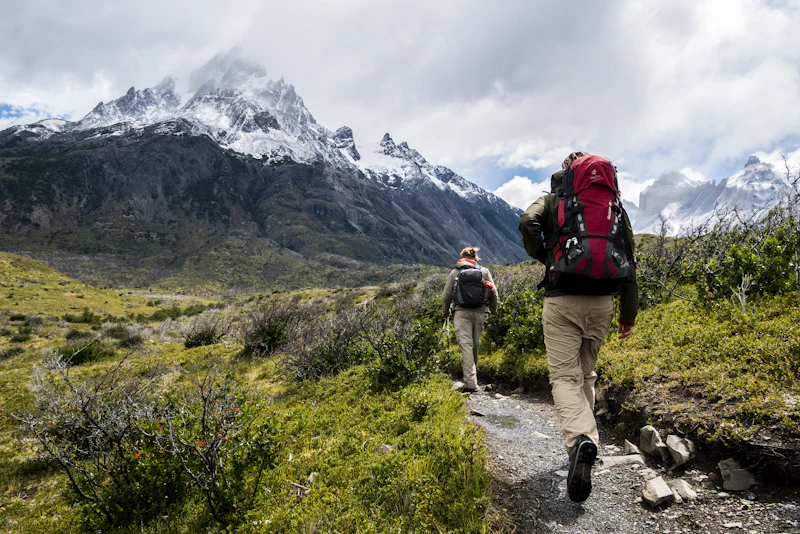
How to choose your first hiking backpack: match capacity in liters to your trip length, measure torso length (not height) for sizing, nail the hip-belt fit that carries 70-80% of the load, adjust straps in the right order, and avoid the classic beginner mistakes like buying too big.
Before you type your name, email, or payment details into an unfamiliar site, run through this practical checklist of address-bar checks, free scanners, and red flags.
A practical overnight backpacking packing checklist for beginners, covering shelter, sleep, food, clothing and safety gear so your first trip out is comfortable rather than a lesson in what you forgot.
Boots or trail shoes? For most beginners on maintained trails, the lighter option wins — but rough terrain, heavy packs, and weak ankles change the answer. Here is how to choose.
Base weight is the weight of your pack without food, water, and fuel. This guide explains what counts toward it and how to lower it without giving up safety.
Cutting pack weight should never mean cutting the gear that keeps you safe. Here is a practical way to lighten your load while keeping shelter, warmth, water, and navigation covered.
A day hike emergency kit does not need to be big or heavy. This checklist covers navigation, water, warmth, light, first aid, and signalling in a kit that fits a small pouch.
Stream water looks clean but is not always safe to drink. Compare hiking water filters, purification tablets, and boiling so you can pick the right method for your route.
Blisters are the most common reason a good hike turns miserable. Learn how to prevent hot spots, tape them early, and treat a blister properly on the trail.
Cold weather hiking is about managing sweat as much as staying warm. Learn the base, insulation, and shell layers that keep you comfortable on winter trails.
Trekking poles divide hikers: some never walk without them, others find them a nuisance. Compare the benefits, drawbacks, and buying basics before you decide.
Gear stored damp, compressed, or crammed in a hot garage wears out fast. Follow this storage routine for tents, sleeping bags, boots, and electronics between trips.
Solo hiking offers freedom and quiet, but it also means no one is there to help if something goes wrong. These safety habits make solo days far safer without spoiling them.
A sleeping pad is not just comfort, it is insulation from the cold ground. Learn about R-value, weight, size, and packed volume before buying your first pad.
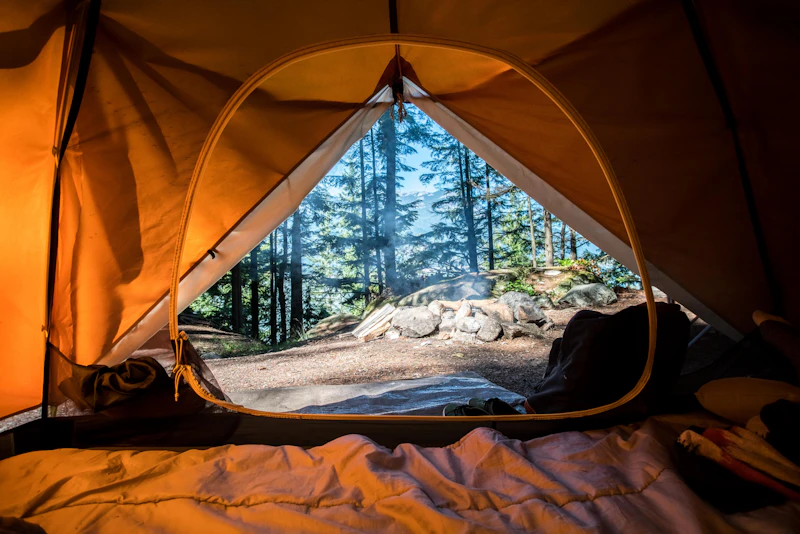
An ultralight tent gives beginners full bug and weather protection with a small weight penalty, while a tarp is lighter and cheaper but demands more skill. This guide compares weight, cost, setup and weather protection so you can choose with confidence.
Canister gas is easiest for most campers, liquid fuel wins in deep cold and on long trips, alcohol is featherlight but slow, and wood is free but unreliable. Compare burn time, cold performance, availability and cost before you buy.
A water filter removes dirt, protozoa and bacteria instantly, while purification tablets kill viruses too but take 30 minutes to four hours and leave a taste. Most hikers are best served by a filter for daily use plus tablets as a backup.
Staying dry on a wet hike is about layers, fit and ventilation, not just a waterproof jacket. Choose a breathable shell, protect your pack and feet, and manage sweat so you do not end up wet from the inside.
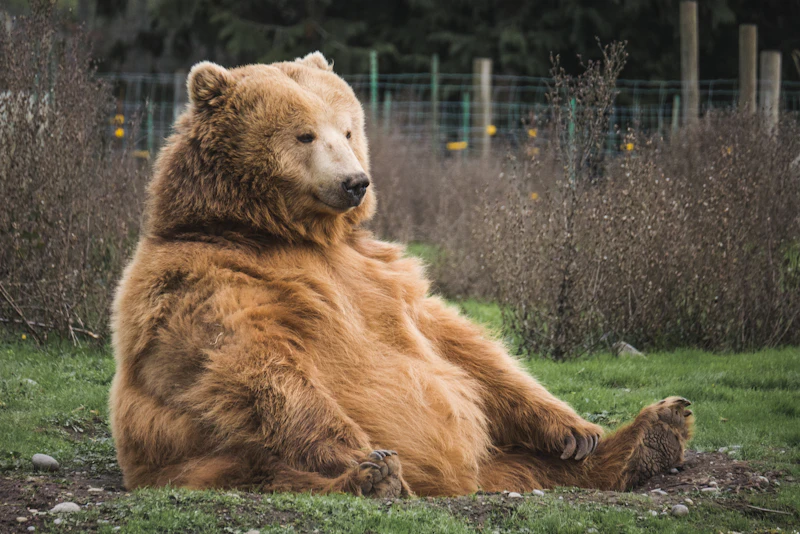
Most bear problems are food problems. Store all food and scented items away from your tent, make noise on the trail, and know the difference between a defensive encounter and a predatory one before you need it.
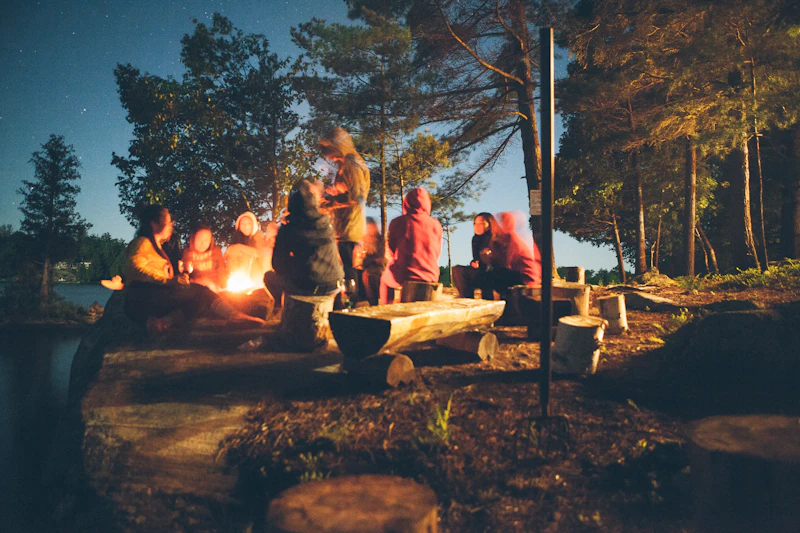
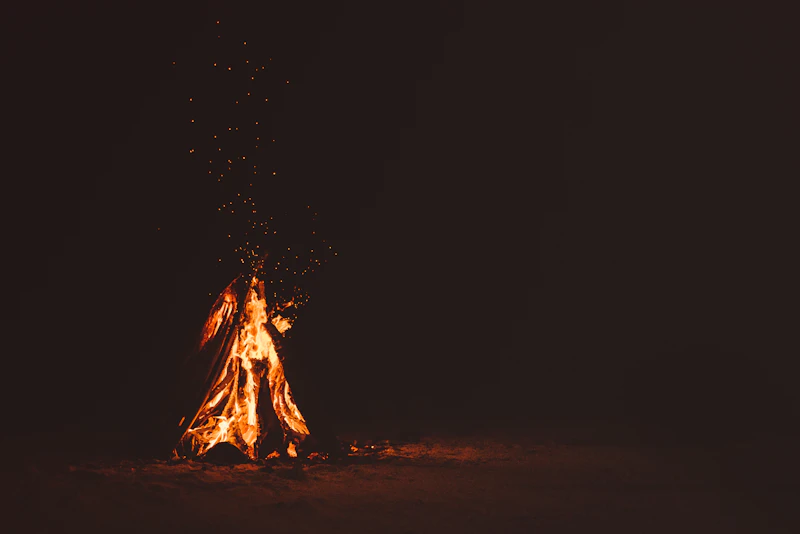
A great camp kitchen needs only a sturdy pot, a good knife, fire tools and heat-proof handling gear. Pack light, cook simple one-pot meals, and always check fire rules before lighting up.
Winter hiking comfort comes from a layering system you can adjust on the move: a moisture-wicking base, an insulating mid-layer, and a windproof shell, plus warm extremities and a spare dry layer in your pack.
Sleeping bag ratings are confusing because comfort, limit and extreme ratings mean very different nights. Match the comfort rating to your coldest expected night, then adjust for your pad, tent and how warm you sleep.