10 Winter Camping Mistakes Beginners Make (and How to Avoid Them)
- Primary Signal: 10 Winter Camping Mistakes Beginners Make (and How to Avoid Them)
- Overview: Winter camping is beautiful and brutally unforgiving of small errors. These ten common mistakes catch almost every beginner — here is how to avoid each one....
- Verification: Analyzed and compiled by SkyFree Outfitters editorial monitoring desk.
Winter camping rewards the prepared and punishes the careless, often on the same night. The snow is quiet, the campsites are empty, and the stars are sharper than you have ever seen them — but the margin for error is far smaller than in summer. A mistake that would be a funny story in July can become a genuine emergency in January. Most winter camping failures are not caused by extreme weather. They are caused by ordinary, avoidable errors: the wrong layers, a damp sleeping bag, a stove that will not light, or arriving at camp after dark.
Mistake 1: Treating Winter Like Summer With More Layers
Three-season gear does not become four-season gear just because you add a fleece. A 20-degree sleeping bag on a thin summer pad can feel like a 35-degree bag, because the frozen ground pulls heat out of your back faster than the bag can replace it. Your shelter matters too: a mesh-heavy three-season tent lets wind and spindrift straight in. Before your first winter trip, check the temperature rating of your bag and the R-value of your pad together — the pad should be R-4.5 or higher for nights below 20 degrees Fahrenheit. If your kit cannot honestly handle the forecast low, pick a milder weekend or a drive-up campsite close to the car.
Mistake 2: Wearing Cotton and Ignoring Sweat
Cotton is the classic winter camping mistake, and it still catches people every year. Cotton holds moisture, dries slowly, and steals body heat once it is wet. Wear wool or synthetic base layers instead, and manage sweat as actively as you manage cold. The most common error is overdressing while hiking: you sweat heavily on the climb, then freeze the moment you stop. Start cold, vent early, and strip a layer before you feel hot. Keep a dry set of sleeping clothes sealed in a waterproof bag and never hike in them — putting on dry clothes at camp is the single best feeling in winter camping, and it is also a safety measure.
Mistake 3: Letting Water and Food Freeze
A frozen water bottle is a problem you cannot fix quickly at midnight. Canister stoves lose pressure in freezing air, hydration reservoirs freeze in their tubes, and water filters can crack if water freezes inside them. Carry wide-mouth bottles, keep one inside your sleeping bag overnight, and sleep with your filter and batteries too. Store your stove fuel canister in your jacket pocket for a few minutes before cooking, and keep it off the snow while it runs. Eat more than you think you need: cold weather and snow travel burn far more calories than summer hiking, and a hungry camper is a cold camper. Pack snacks you can eat with gloves on.
Mistake 4: Arriving Late and Rushing Camp Setup
Winter days are short, and everything takes longer with gloves on. Pitching a tent, collecting snow for water, and cooking dinner in darkness is miserable and slow, and mistakes multiply. Plan to reach camp with at least two hours of daylight left. That buffer covers the slower pace, a wrong turn, or a tent pole that refuses to cooperate. Choose your site carefully too: avoid hollows where cold air pools, stay clear of trees loaded with snow, and look for a natural windbreak. Stomp the snow flat where your tent will sit, let it set for half an hour, and use snow stakes or buried stuff sacks as anchors — ordinary pegs pull straight out of powder.
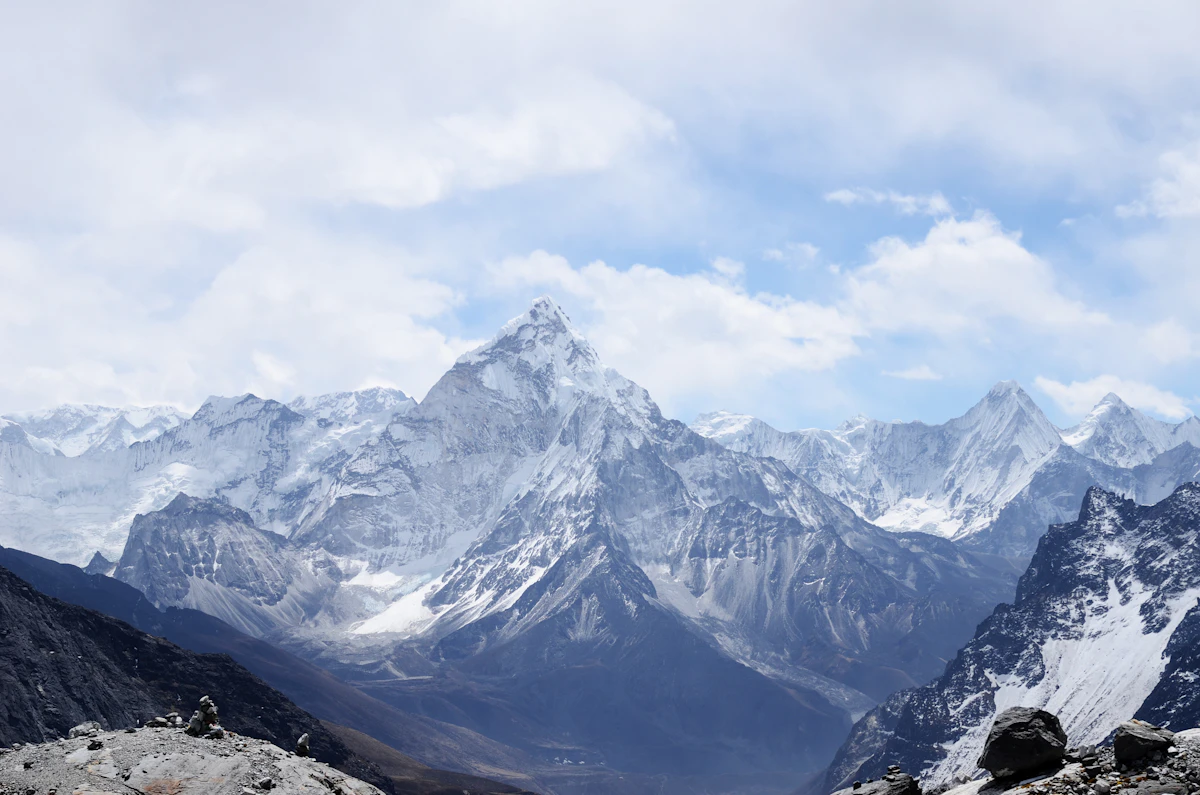
Winter camping is a skill you build one careful trip at a time. Start with a short overnight close to an easy exit, test your sleep system in the garden first, and treat every small discomfort as a lesson rather than a failure. Get the layers, the sleep system, the water plan, and the daylight right, and winter gives you the quietest, most rewarding nights of the year. The mountains in snow are worth the extra preparation — just never let confidence outrun your gear.
More from SkyFree Outfitters