Solo Camping for Beginners: Safety Tips and Essential Gear for Your First Trip Alone
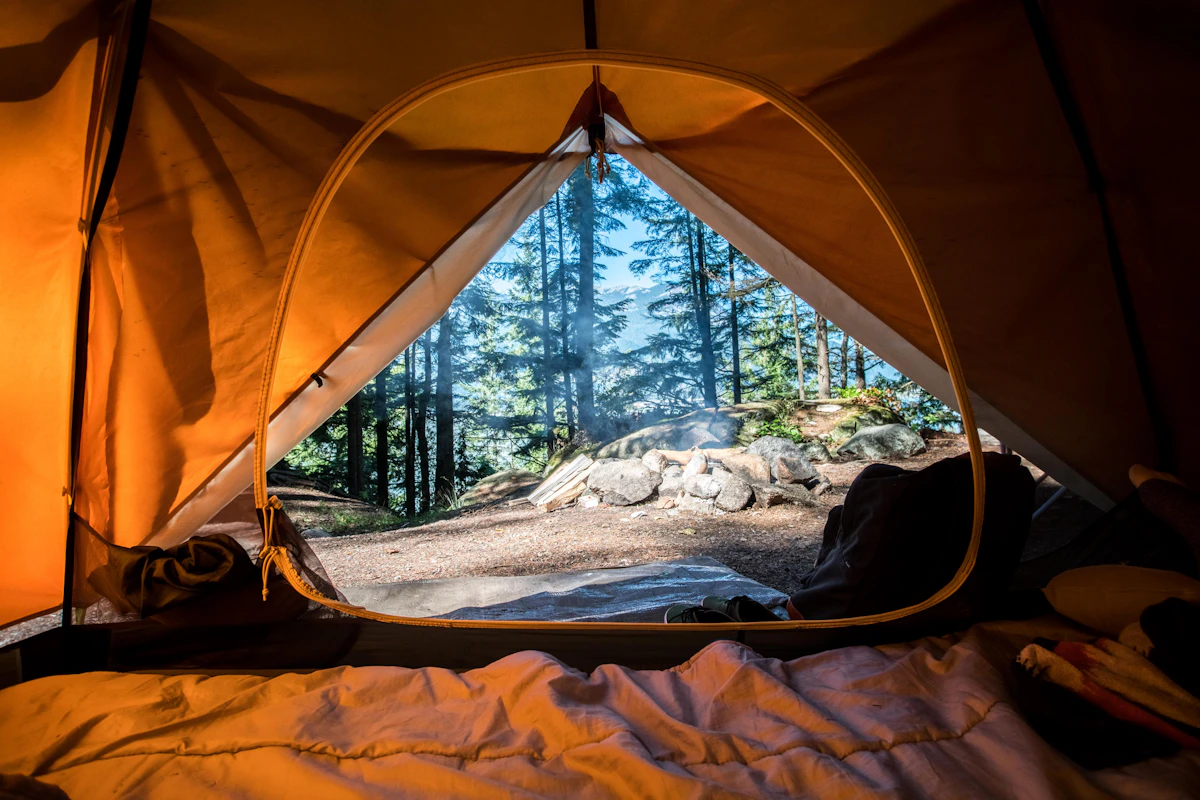
- Primary Signal: Solo Camping for Beginners: Safety Tips and Essential Gear for Your First Trip Alone
- Overview: Camping alone for the first time is exciting and a little nerve-wracking. This guide covers the safety rules, gear checklist and mindset that make a first solo trip safe and enjoya...
- Verification: Analyzed and compiled by SkyFree Outfitters editorial monitoring desk.
Solo camping is one of the most rewarding ways to spend time outdoors. There is no one to argue about the route, no schedule but your own, and a kind of quiet you simply cannot find in a group. But camping alone also means there is nobody to help if something goes wrong, so preparation matters far more than it does on a group trip. The good news is that a safe first solo trip is mostly about simple habits: telling someone your plan, packing the right gear, choosing a forgiving campsite, and knowing your limits. This guide walks through all of it, step by step.
Start Close to Home and Keep It Short
Your first solo trip should not be a five-day trek into the backcountry. Pick a campsite you already know, or one within an hour or two of home, and plan a single overnight stay. A short, familiar trip lets you practise every skill — pitching the tent alone, cooking on your stove, managing the dark — without real consequences if you are slow or make a mistake. Arrive at least two hours before sunset so you are never setting up camp in the dark. If the weather turns or you feel uncomfortable, being close to home means you can simply pack up and leave, and that is always an acceptable choice. Confidence for solo camping is built one easy trip at a time, not by proving something on the first outing.
Tell Someone Your Plan — Every Time
Before you leave, share a written trip plan with at least one trusted person. Include where you are going, the trail or campsite name, when you expect to arrive and return, your vehicle description and where you will park, and what to do if they do not hear from you. A vague text saying 'going camping' is not enough. If your phone has signal, check in when you arrive and when you leave. In areas without coverage, a satellite messenger or personal locator beacon is worth the investment, because it can summon help even when your phone cannot. This single habit is the most important safety rule in solo camping, and experienced solo campers never skip it.
Pack a Complete Solo Gear Checklist
When you camp alone, your gear is your only backup, so pack deliberately. Shelter and sleep system come first: a reliable three-season tent, a sleeping bag rated at least 10 degrees below the expected low, and an insulated sleeping pad. Add a stove and fuel, two litres of water capacity plus a filter or purification tablets, a headlamp with spare batteries, a map and compass even if you carry a phone, a first aid kit, a knife or multi-tool, fire-starting materials, and enough food for an extra meal. Keep your pack under 20 to 25 percent of your body weight so you can move comfortably. Test everything at home first — pitch the tent in the garden, light the stove, filter water — because the woods is the wrong place to discover a broken zip or an empty fuel canister.
Stay Aware and Trust Your Instincts
Solo camping rewards awareness. Notice the weather changing, the sound of the wind, animal tracks near the trail, and how your body feels. Store all food and scented items well away from your tent, ideally in a bear canister or hung from a tree, and never eat inside your tent. Keep your campsite tidy so nothing trips you in the dark. At night, your headlamp, whistle and phone should be within arm's reach. If a situation feels wrong — a stranger acting strangely, a storm building faster than forecast, a trail that looks unsafe — trust that feeling and change your plan. There is no audience to impress when you camp alone, and retreating is always the smart move.
Your first solo camping trip does not need to be epic to be worthwhile. A single quiet night under the stars, cooked on your own stove and slept in a tent you pitched yourself, is a genuine achievement. Start small, plan carefully, and build from there — the backcountry will still be waiting when you are ready for more.
Frequently Asked Questions
Q: Is solo camping safe for beginners?
A: Yes, if you prepare properly. Choose a familiar, well-used campsite, share your trip plan with someone, carry a charged phone or satellite messenger, and keep the trip short. Most problems in solo camping come from poor planning, not from the wilderness itself.
Q: What gear is essential for solo camping?
A: A tent, sleeping bag and pad, stove and fuel, water filter, headlamp, map and compass, first aid kit, knife, and fire starters. Everything on the list should be tested at home before the trip.
Q: Should I tell people I am camping alone?
A: Tell one or two trusted people your full plan, but there is no need to advertise to strangers at the campsite that you are alone. Keep your itinerary private from people you meet on the trail.
More from SkyFree Outfitters

