Solar Charger vs Power Bank for Backpacking: Which Keeps You Charged?
- Primary Signal: Solar Charger vs Power Bank for Backpacking: Which Keeps You Charged?
- Overview: Keeping a phone charged on a multi-day hike means choosing between a power bank and a solar charger. This comparison covers weight, real charging speed, and which one wins for each...
- Verification: Analyzed and compiled by SkyFree Outfitters editorial monitoring desk.
On a multi-day hike, your phone is your map, your camera, and your emergency contact. Keeping it charged matters, and the choice comes down to two tools: a power bank, which stores energy, or a solar charger, which makes energy from sunlight. Each one wins in different conditions, and many hikers carry the wrong one for their trip.
A power bank is simple and reliable. You charge it at home, carry it in your pack, and plug your phone in whenever you need power. A 10,000 milliamp-hour power bank holds about 37 watt-hours of energy, because 10,000 milliamp-hours times 3.7 volts is 37 watt-hours. After charging losses, about 29.6 watt-hours is usable, which gives a phone with a 12 watt-hour battery about two full charges.
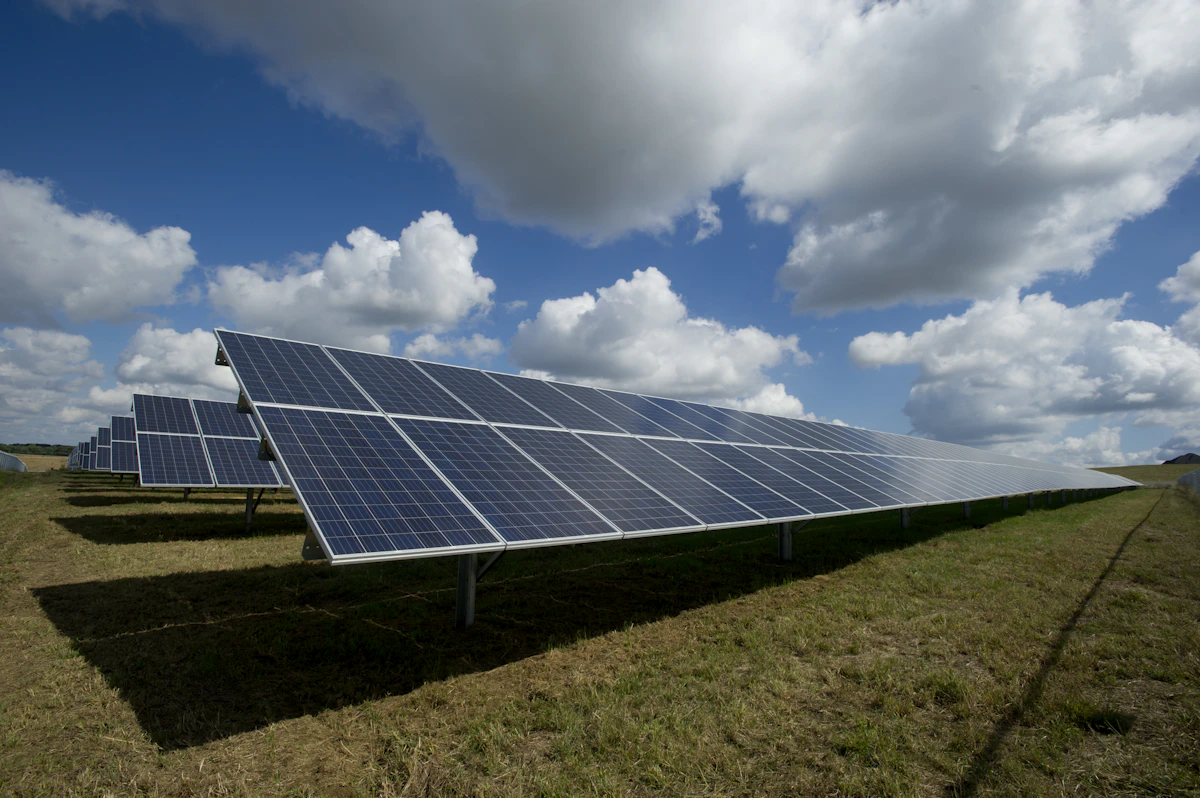
Solar chargers are different. They do not store energy, they make it. A small solar panel strapped to your pack charges your phone while you walk, as long as the sun is shining. On a bright day, a good panel can charge a phone in three to four hours. On a cloudy day, or under tree cover, it may barely charge at all.
Weight is close between the two. A 10,000 milliamp-hour power bank weighs about 180 to 220 grams. A small solar panel weighs about 200 to 300 grams, and you still need a small power bank to store the energy, because the panel cannot charge your phone directly while you walk in and out of shade. For short trips, the power bank alone is lighter.
For trips of one to three days, the power bank wins. It is lighter, it works in any weather, and it charges your phone at night in your tent. You do not need to think about sunlight or panel angles. Charge the bank fully before the trip, and it will cover two to three days of normal phone use.
For trips of five days or more, solar starts to make sense. A power bank runs out after two or three days, and then you have no power at all. A solar panel keeps making energy every sunny day, so it never runs flat. The best setup for long trips is a small solar panel plus a small power bank, so the panel charges the bank during the day and the bank charges your phone at night.
Weather decides how well solar works. In open, sunny mountains, a solar panel is excellent. In dense forest, in narrow valleys, or on cloudy days, it struggles. If your route is mostly under trees, take a bigger power bank instead. Check the forecast and the terrain before you choose, not just the marketing on the box.
To get the most from a solar panel, strap it to the outside of your pack where it faces the sun, and keep it clean. Dust, sweat, and scratches all cut its output. Angle matters too. A panel lying flat on your pack catches less sun than one tilted toward it. Stop for lunch in an open spot and lay the panel flat in full sun for the best charge.
Reduce your phone use and both tools last longer. Put your phone in aeroplane mode, lower the screen brightness, and close apps you do not need. Navigation apps use a lot of battery, so download your maps before the trip and use the phone in short bursts. A phone that lasts three days on one charge needs a much smaller power bank.
Choose by trip length and weather. One to three days, take a power bank. Four days or more in sunny, open country, add a solar panel. Forest, cloud, or short trips, take a bigger power bank and leave the panel at home. The right choice is the one that still has power on the last day.
Q: How many phone charges does a 10,000 mAh power bank give? A: About two full charges. It holds 37 watt-hours, about 29.6 is usable, and a phone battery is about 12 watt-hours.
Q: Does a solar charger work in cloudy weather? A: It works, but much more slowly. In dense forest or heavy cloud, a panel may barely charge at all. Take a power bank as well.
Q: Should I take both a solar panel and a power bank? A: For trips of five days or more in sunny country, yes. The panel charges the bank by day, and the bank charges your phone at night.
More from SkyFree Outfitters

