Best Insulated Water Bottle for Hiking: Cold Water, Durability, and Pack Fit
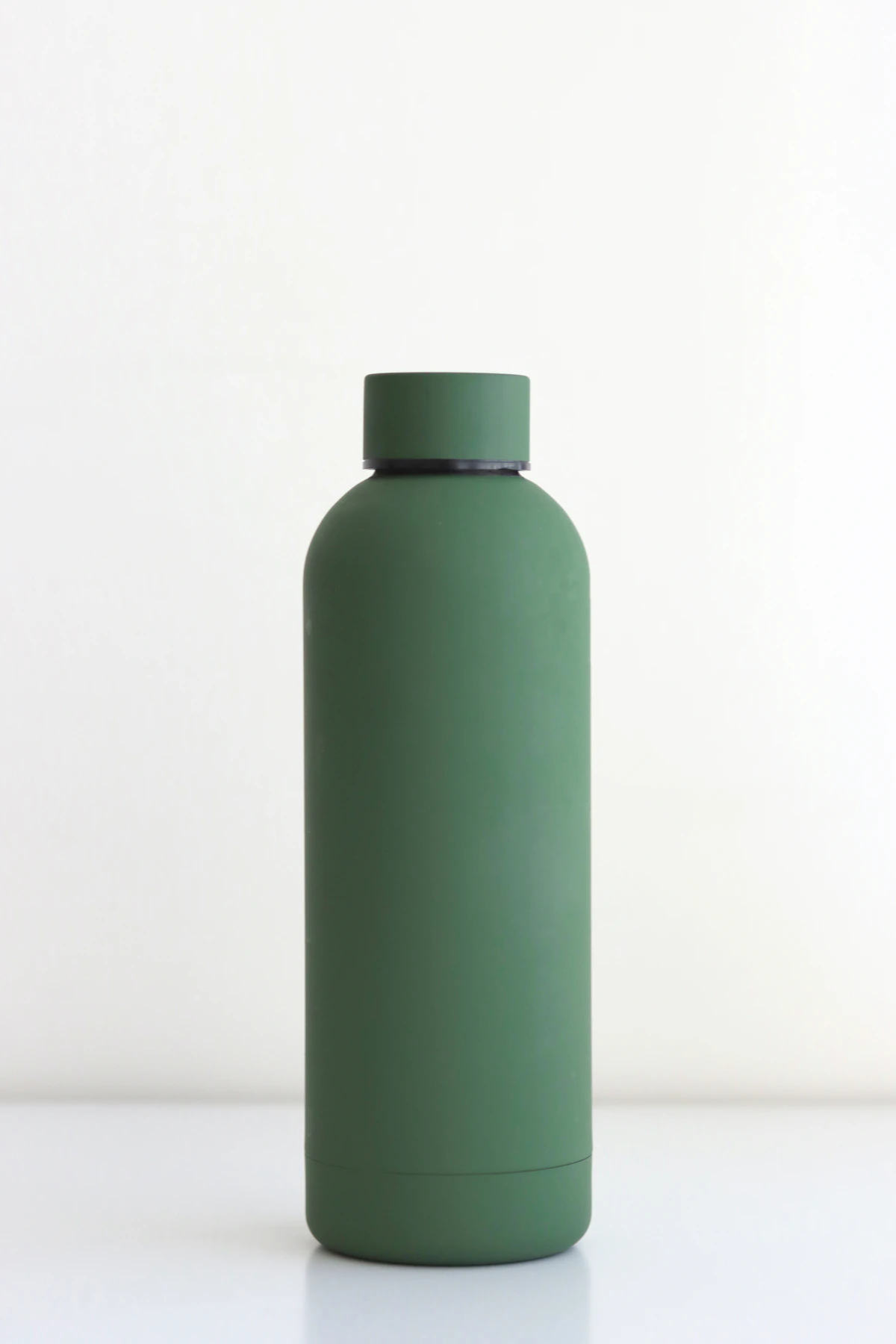
- Primary Signal: Best Insulated Water Bottle for Hiking: Cold Water, Durability, and Pack Fit
- Overview: Cold water on a hot trail is worth its weight. Compare the best insulated bottles for hiking on ice retention, durability, weight, and how they fit your pack....
- Verification: Analyzed and compiled by SkyFree Outfitters editorial monitoring desk.
An insulated water bottle is a small luxury that feels like a big one on a hot trail. Hours after you left the car, the water is still cold, the ice is still there, and the bottle has not leaked a drop in your pack. But not all insulated bottles are equal: some keep ice for a day and others for an afternoon, some dent at the first drop, and some do not fit a pack pocket at all.
A good insulated bottle is a vacuum flask: two steel walls with the air removed between them, so heat cannot cross easily. The better the vacuum and the tighter the seal, the longer the cold lasts. The best bottles keep water cold for twenty-four hours or more; the worst manage six. The lid matters as much as the walls, because heat leaks through a bad seal.
Look for double-wall vacuum insulation, a steel body, and a lid that seals properly. Avoid bottles with thin walls or plastic bodies if you want real insulation. And remember that insulation works both ways: the same bottle keeps soup hot in winter, which makes it useful year-round.
In real-world testing, the best bottles keep ice for well over a day in mild conditions, and for most of a hot day in direct sun. The difference between the top bottles is small — a few hours either way — and the difference between the best and the cheapest is large. If you hike in hot weather, buy a proven brand rather than a bargain bottle with no test data.
Pre-chill your bottle for the best results: fill it with ice water and leave it for ten minutes before you fill it for the trail. Fill it with cold water, not warm, and add ice cubes rather than relying on the bottle to cool warm water down. A bottle keeps cold in; it does not make cold.
Steel bottles dent, and a dented bottle still works fine — it just looks used. Powder-coated finishes grip better in sweaty hands and resist scratches, which is why they are popular. Check the base: a bottle that tips over easily will spill your water on a slope, and a bottle with a narrow base fits pack pockets better than a wide one.
Weight is the trade-off. A one-litre insulated bottle weighs roughly twice as much as a one-litre plastic bottle. For day hikes that weight is nothing. For multi-day backpacking, many hikers switch to light plastic bottles and carry insulation only for the first day. Know your trip before you choose.
Measure your pack's side pockets before you buy. A bottle that is too wide will not fit, and a bottle that is too tall will fall out on steep ground. Most hiking packs fit bottles up to about eight centimetres wide. A loop cap or a handle helps you clip the bottle to your pack or carry it in your hand.
For most hikers, a one-litre bottle from a proven brand — Hydro Flask, Yeti, Stanley, or Nalgene's insulated line — is the right buy. Choose a wide mouth if you add ice and clean it often, a narrow mouth if you drink on the move. And carry a backup: on a long hot hike, one litre is rarely enough, so pair the insulated bottle with a light plastic bottle or a hydration bladder.
Finally, clean your bottle properly. Insulated bottles develop smells and mould around the lid seal if they are left damp, and a smelly bottle is a bottle you stop using. Wash it with hot soapy water after every hike, let it dry fully with the lid off, and run a bottle brush through it once a week. A clean bottle tastes better, lasts longer, and is one less thing to think about on the trail. It is a small habit, but it is the difference between a bottle you reach for every time and a bottle that sits at the back of the cupboard.
More from SkyFree Outfitters

