Leave No Trace Campsite Selection: Where to Pitch Your Tent
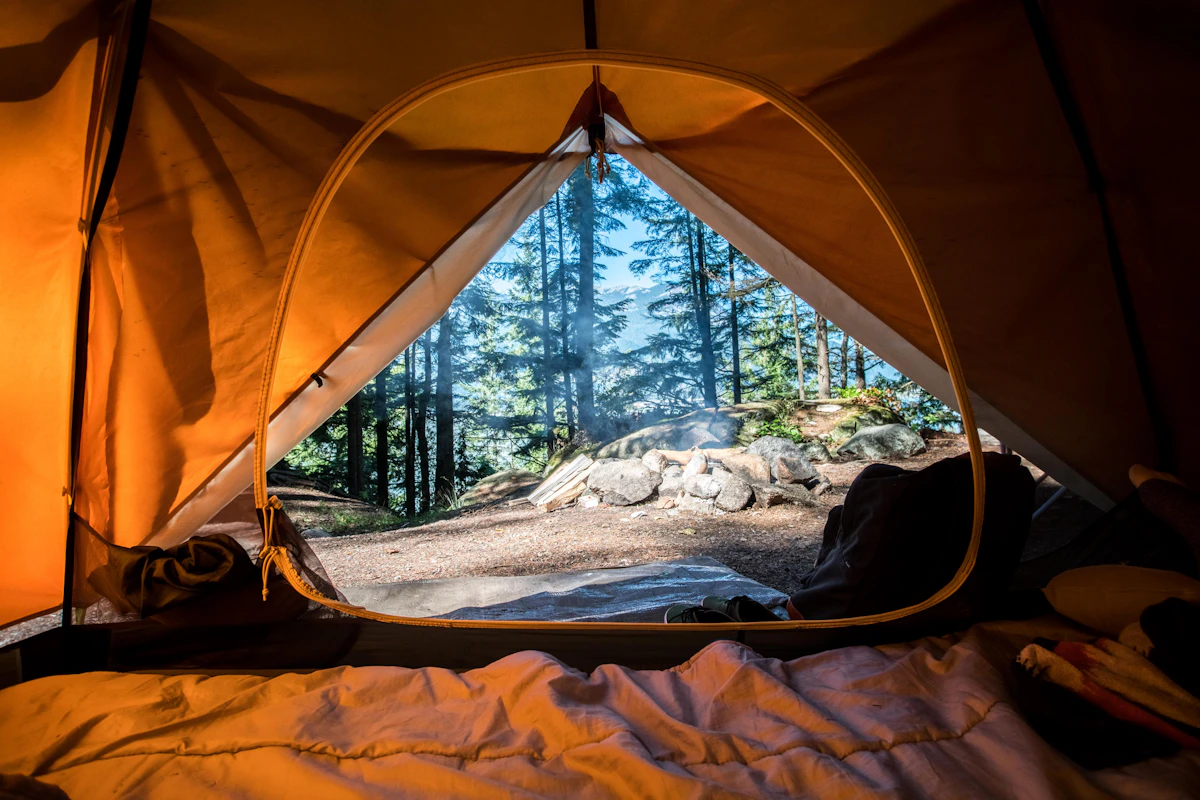
- Primary Signal: Leave No Trace Campsite Selection: Where to Pitch Your Tent
- Overview: Choosing where to pitch is the most important Leave No Trace decision you make each day. The right spot protects the land — and gives you a better night....
- Verification: Analyzed and compiled by SkyFree Outfitters editorial monitoring desk.
Every night on the trail, you choose a place to sleep — and that choice is the single biggest impact you have on the land. A tent pitched on fragile vegetation crushes plants that take years to recover. A campsite too close to water sends soap, waste, and trampled banks into the stream. A fire ring built in the wrong place leaves a scar that lasts for decades. Leave No Trace is not just a set of rules for campfires and rubbish; it starts with where you put your tent. Here is how to choose a campsite that protects the place you came to enjoy — and gives you a better night's sleep too.
Durable Surfaces First
The core principle is simple: camp on surfaces that can handle it. Rock, gravel, sand, dry grass, and bare dirt are durable — they show little sign of your stay and recover quickly. Established campsites, where the ground is already bare and compacted, are the best choice of all: using them concentrates impact in one place instead of spreading it across fresh ground. If you arrive at a site that is already worn, use it rather than creating a new one nearby. Spreading out feels polite, but it damages more ground.
Fragile surfaces need the opposite treatment. Alpine meadows, cryptobiotic desert soil, mossy ground, and wet lakeshores are easily damaged and slow to recover — a single night on a wildflower meadow can leave a visible mark for years. In popular areas, camp only in designated sites. In remote areas where you must choose your own spot, pick the hardest, driest ground you can find, keep your footprint small, and move on after one night. The goal is to leave the place looking as though you were never there, and the ground you choose decides whether that is possible.
Distance From Water, Trails, and Other Campers
Camp at least 200 feet — about 70 adult steps — from lakes, streams, and rivers. This protects the water from soap, waste, and erosion, and it protects the fragile shoreline vegetation that animals depend on. It also gives you a better camp: lakeshores are colder, buggier, and more exposed to wind than a spot a little way back in the trees. The same distance applies to trails: camping right beside a trail puts you in everyone's way and invites noise, dust, and late-night headlamps in your tent. A short walk off the trail gives you privacy and leaves the trail corridor clean for the next hiker.
Consider the other campers too. In a busy area, keep a respectful distance and keep noise down after dark. In a quiet area, the same courtesy applies — the person who hiked all day for solitude did not come to hear your music. If you arrive at a full campsite, do not squeeze in on top of someone else; walk on a little further and find your own spot. A good campsite is one where you can see the stars, hear the stream, and forget anyone else is out there.
The Practical Checks Before You Commit
Before you pitch, check the ground with your eyes and your feet. Is it flat enough to sleep on without sliding? Is it high enough that rain will drain away from your tent rather than pooling under it? Are there dead branches overhead — widowmakers — that could fall in the night? Is the spot sheltered from the prevailing wind, but not in a cold hollow where cold air pools? A minute of looking saves a night of sliding downhill, waking up in a puddle, or lying awake listening to a dead limb creak overhead.
Look at what is under the tent too. Clear away sharp stones and sticks, but do not dig trenches or level the ground — that is the kind of site alteration Leave No Trace forbids. If the ground is uneven, sleep with your head uphill and accept a slight slope rather than reshaping the site. When you leave in the morning, take a last look around: pick up every scrap, scatter the rocks you moved for a windbreak, and fluff up the grass where your tent sat. The best compliment a campsite can receive is that nobody can tell you were there.
Choosing a campsite is not just about comfort — it is about the land. Camp on durable ground, keep your distance from water and trails, and leave the site as you found it. The next hiker will thank you, and the place you love will still be worth coming back to.
More from SkyFree Outfitters

