Car Camping Checklist for Beginners: Everything to Pack for Your First Trip
- Primary Signal: Car Camping Checklist for Beginners: Everything to Pack for Your First Trip
- Overview: Car camping is the easiest way to start camping: your car carries the gear, so you can bring real comforts. Use this checklist to pack shelter, sleep, cooking, and safety gear with...
- Verification: Analyzed and compiled by SkyFree Outfitters editorial monitoring desk.
Car camping is the friendliest way to start camping, because your car does the carrying. You can bring a thick air mattress, a proper cooler, a big tent, and a real camp kitchen, none of which would ever fit in a backpack. That freedom is also the trap: it is easy to pack too much, forget the essentials, and end up with a car full of gadgets and no tent pegs. A simple checklist fixes that.
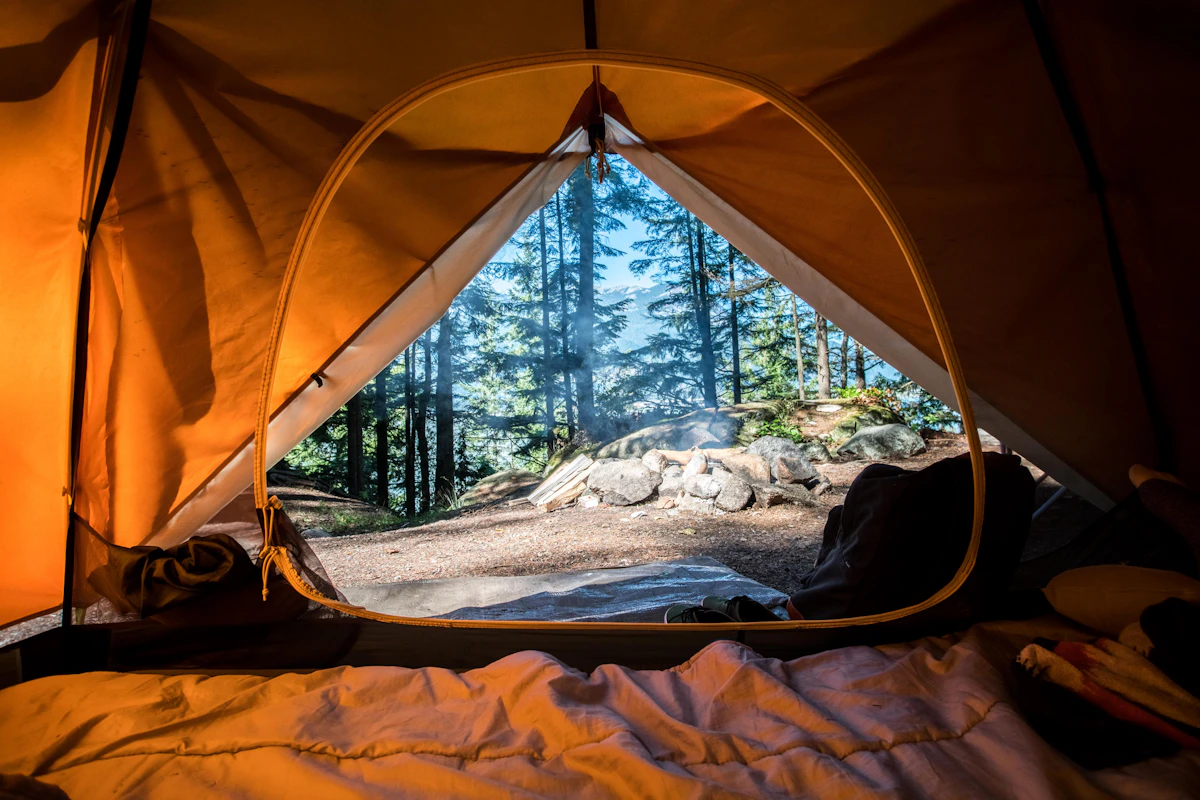
Shelter comes first. Bring a tent sized for one more person than your group, because manufacturer ratings assume you sleep shoulder to shoulder with no gear inside. Pack the tent, its poles, pegs, guy lines, and a groundsheet or footprint, and practise pitching it at home before your trip. Add a cheap tarp and some cord: a tarp over your cooking area turns a rainy evening from miserable to merely damp.
Sleep is where car camping beats backpacking. A thick self-inflating mattress or a proper air mattress, a warm sleeping bag rated for the coldest night you expect, and a real pillow make a huge difference. Bring a blanket as well, because car camping lets you carry one and it is the cheapest insurance against a colder night than forecast. Keep your sleeping gear in the car until bedtime so it stays dry if it rains.
Your camp kitchen can be simple and still feel luxurious. A two-burner stove or a single-burner stove plus a campfire grill, a pot, a pan, a kettle, plates, mugs, cutlery, and a sharp knife cover almost every meal. Bring a cooler with ice for fresh food, plus dry goods that need no refrigeration. Plan your meals before you leave, pack ingredients in labelled bags, and bring more water than you think you need, plus a way to carry it from the campsite tap.
Clothing for car camping follows the same layering rules as hiking, with one difference: you can bring extras. Pack a warm jacket, a rain jacket, a hat, and a spare set of dry clothes in a sealed bag, because wet clothes at a campsite are miserable with nowhere to dry them. Sturdy shoes for walking around camp and flip-flops or camp shoes for evenings round out the kit. Do not forget a headlamp per person plus spare batteries, because campsite lighting ends at the fire.
Safety and comfort items are easy to forget and annoying to lack. Pack a first aid kit, sunscreen, insect repellent, toilet paper, hand sanitiser, rubbish bags, and a basic tool kit with duct tape. Bring a phone charger and a power bank, and tell someone where you are going and when you expect to be back. Check the campsite rules before you leave: some sites ban fires, require advance booking, or close their gates at a set time in the evening.
Pack the car the night before, and load it in reverse order of need: the things you need first at camp go in last. Tent and sleeping gear should be easy to reach, while food and cooking gear can sit deeper. Keep a small bag with your headlamp, phone, water, and snacks in the passenger footwell so the first hour at camp is easy. A quick check at home, tent pitched, stove lit, mattress inflated, catches most problems before they become campsite emergencies.
At camp, pick your pitch with care: flat ground, good drainage, and a little distance from other campers. Pitch the tent first, then set up the kitchen and sleeping area, and only then relax. Keep food sealed and stored in the car overnight, because mice and raccoons patrol campsites after dark. Leave the site cleaner than you found it, and pack out everything you brought, including food scraps and grey water.
Car camping is a low-stakes way to learn the outdoors, and every trip teaches you what to add and what to leave behind. Print this checklist, tick it off as you pack, and your first trip will feel organised instead of chaotic. After two or three trips you will have your own version, tuned to your car, your family, and the way you like to camp.
More from SkyFree Outfitters

