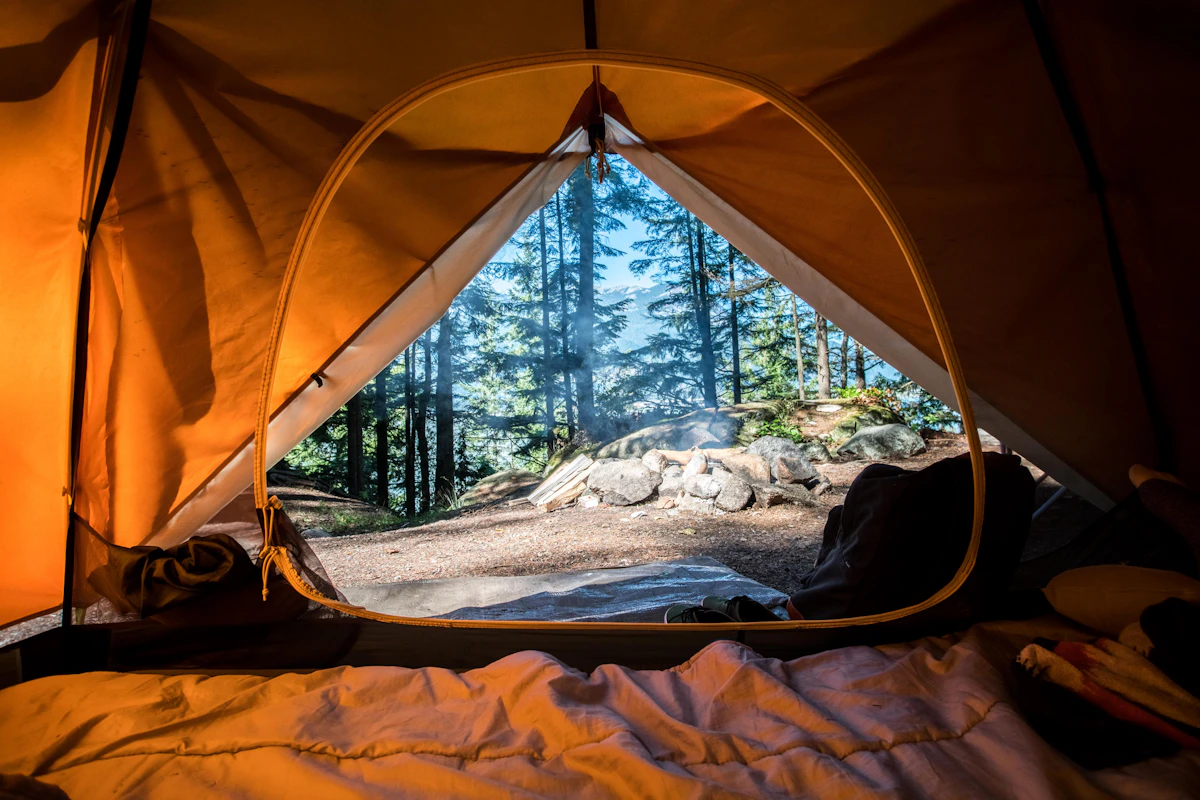
How to Choose a Tent for Windy Campsites
Wind is the real test of a tent. Learn which shapes, pole designs, and pitching techniques hold up when gusts pick up at exposed campsites.
210 stories published in October 2026
Wind is the real test of a tent. Learn which shapes, pole designs, and pitching techniques hold up when gusts pick up at exposed campsites.
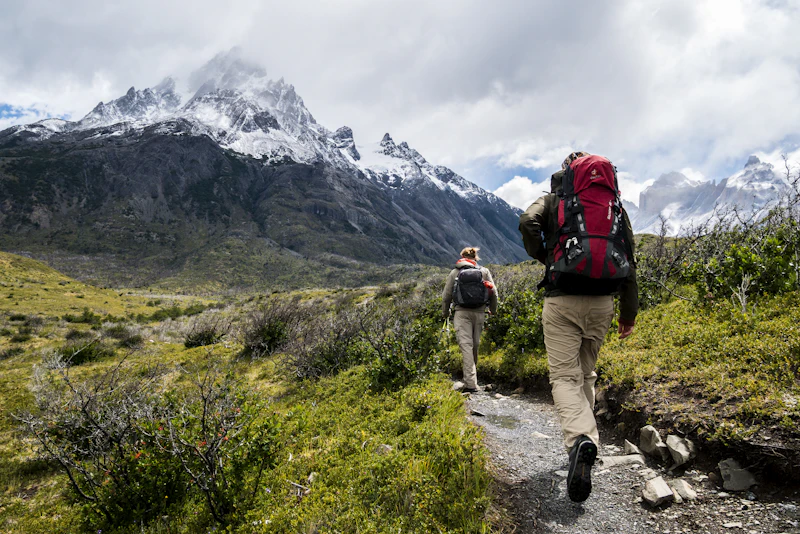
Ankle support versus light, fast feet: how terrain, pack weight, and your own ankles should decide between boots and trail runners.
Everything you need to cook well outdoors fits in a small bag: one pot, one stove, and a few smart extras that turn basic ingredients into real meals.
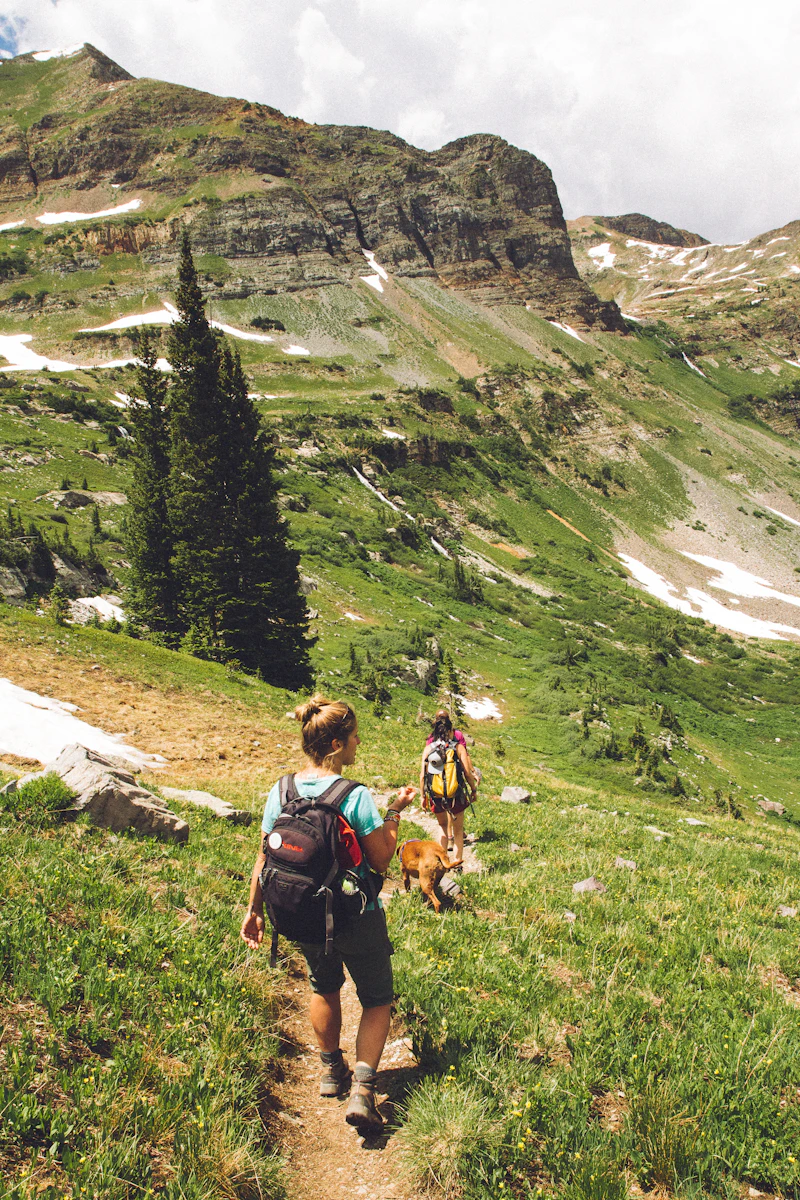
On a through-hike you live out of your bag for weeks, so packing order matters: heavy gear close to your back, essentials within reach, and nothing loose.

If you are caught out overnight, shelter comes before food and often before fire. Learn the priorities, simple builds, and mistakes that cost heat.
Kids love the trail when adults plan for their pace, their needs, and the what-ifs. A simple checklist covers clothing, food, safety, and fun.
The classic ten essentials cover navigation, sun, insulation, light, first aid, fire, repair, nutrition, hydration, and shelter. Here is what each one really means.
Blisters start as a hot spot and end hikes if ignored. Learn to prevent them, treat them on the trail, and know when to stop and rest.
A sub-10-pound base weight comes from the big three first: shelter, sleep system, and pack, because small-item savings cannot fix a heavy tent and bag. The realistic path is weighing everything, cutting duplicates, and replacing the heaviest items before chasing grams on accessories.
Tent choice is a trade-off: ultralight tents save weight but need careful pitching, while heavier tents handle wind and snow with less fuss. The right tent matches your worst expected weather, not your best, because a tent failure on a storm night is not a minor inconvenience.
Solo stove systems differ by fuel, weight, and cooking style: canister stoves are fast and simple, alcohol stoves are light and quiet, and solid-fuel stoves are simple but slow. The best system is the one you can light, control, and refuel safely when tired and cold.
Cold-weather layering works as a system: a moisture-wicking base, an insulating mid-layer, and a wind or waterproof shell, adjusted before you sweat. Beginners usually overdress at the trailhead, sweat through the base layer, and then get cold when they stop.
Packing 40 litres for three days works when heavy items sit close to your back, the shelter and sleep system are compressed, and food is planned by meal, not by hope. The usual failure is extra clothes, not missing gear, because layers repeat better than outfits do.
Trail water treatment choices trade speed, weight, and coverage: filters remove particles and most pathogens, tablets kill reliably but slowly, and UV works fast in clear water but not in silty water. The source decides the tool, so clear mountain streams and muddy lowland water need different answers.
Bear safety is mostly food discipline: store food, trash, and scented items away from camp, cook away from where you sleep, and make noise on blind trail sections. Bear spray is a backup, not a plan, and it only helps if it is accessible, not buried in your pack.
Breaking in boots means short walks that increase gradually, with the socks and insoles you will actually hike in, not a single long suffer-fest. Blisters usually come from fit, moisture, or a sudden jump in distance, and tape and moleskin help only if applied before the hotspot becomes a blister.
Winter camping gear centres on staying dry and warm overnight: a four-season or well-pitched shelter, a sleeping bag rated below expected lows, and two insulating pads. First-timers underestimate ground cold, which steals heat faster than cold air.
Sleeping bag temperature ratings are standardised estimates, not guarantees, and comfort, limit, and extreme ratings mean very different nights. Women, cold sleepers, and anyone on a thin pad should choose by the comfort rating, not by the survival extreme number.