16GB is the 2026 floor for most laptop buyers. This guide adds up real usage to show why 8GB fails a full workday, compares 8GB, 16GB, 32GB and 64GB, and explains the soldered-RAM trap.
Archive: 2026
492 stories published in 2026
Filters, purifiers, and tablets all make backcountry water safe, but they work in different ways. Compare weight, speed, and what each method actually removes before you choose one for your next trip.
Hammocks are comfortable, but cold air steals heat from below and turns a good night into a shivering one. Learn how underquilts, topquilts, and simple setup tricks keep you warm all night.
A base layer is the foundation of your cold weather clothing system, and the wrong fabric leaves you cold and damp. Compare merino wool and synthetics, and learn how weight and fit change everything.
Winter trails are beautiful and unforgiving: short days, hidden ice, and cold that punishes small mistakes. Learn the safety habits that keep a winter hike enjoyable instead of dangerous.
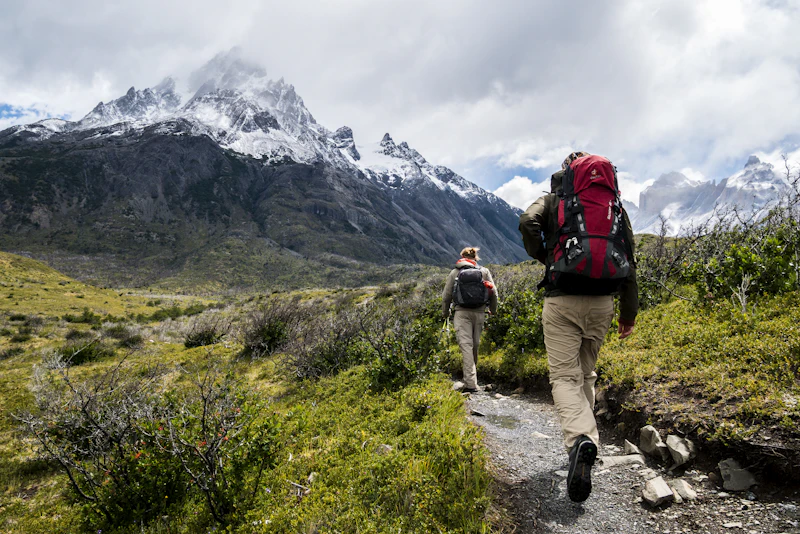
Trekking poles only help if you use them right. Most hikers plant them wrong, grip them wrong, and miss the benefit entirely. Learn the technique that actually protects your knees.
Your phone can navigate, but a dedicated GPS device does it longer, tougher, and without a signal. Compare battery life, durability, maps, and emergency features before you trust your life to either one.
Side sleepers wake up with sore hips and shoulders on pads that back sleepers love. Learn what thickness, R-value, and shape actually matter, and how to pick a pad that lets you sleep through the night.
Wet wood, damp tinder, and rain are not a reason to give up on a campfire. Learn how to find dry fuel, build a fire that catches, and keep it burning through bad weather.
Good trail etiquette keeps the outdoors pleasant for everyone. Learn who yields to whom, how to pass politely, and the small habits that mark an experienced hiker.
Downhill hiking is where most knee pain starts, and it is also where most of it can be prevented. Learn the stride, pole technique, and simple strength work that keeps your knees happy on long descents.
A three-design digital sticker pack in soft seasonal colours, made for mid-November journaling and planning — download once, print or place, and reuse all month.
A puffy jacket is the warmest layer you will carry for its weight, but down and synthetic fills behave very differently on the trail. Learn how to match insulation, fit, and features to your trips before you buy.
A satellite communicator lets you send messages and call for rescue far beyond mobile signal, but only if you set it up before the trailhead. Learn how the devices work, what the plans cost, and how to use one properly in an emergency.
Water freezes fast on a winter night, and a frozen bottle or filter can leave you with nothing to drink by morning. Learn the simple habits that keep your water liquid through the coldest nights.
Dirty dishes attract animals, breed bacteria, and make the next meal miserable, but washing up in the backcountry is easy once you have a system. Learn the three-bucket method, what soap to use, and how to dispose of grey water properly.
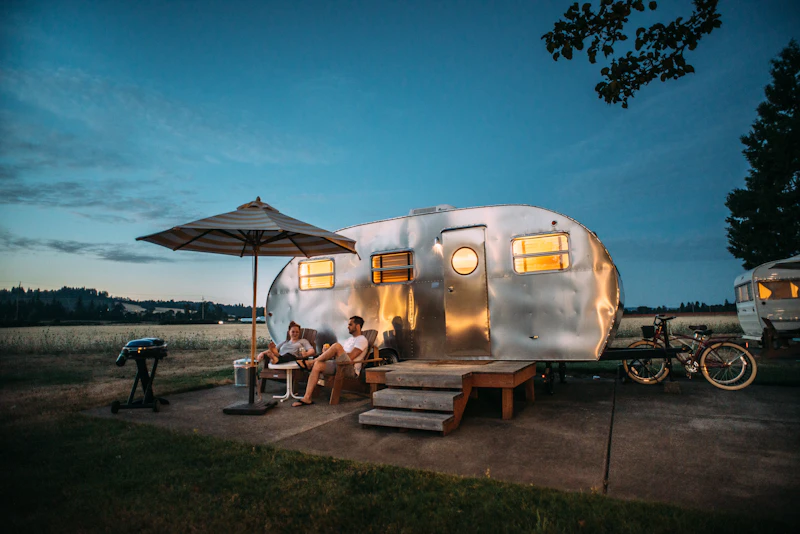
Car camping is the easiest way to start camping: your car carries the gear, so you can bring real comforts. Use this checklist to pack shelter, sleep, cooking, and safety gear without forgetting the essentials.
Heat exhaustion can turn a good hike into a medical emergency in under an hour, but it is almost entirely preventable. Learn the warning signs, how to hydrate and replace salt, and how to pace your day in hot weather.
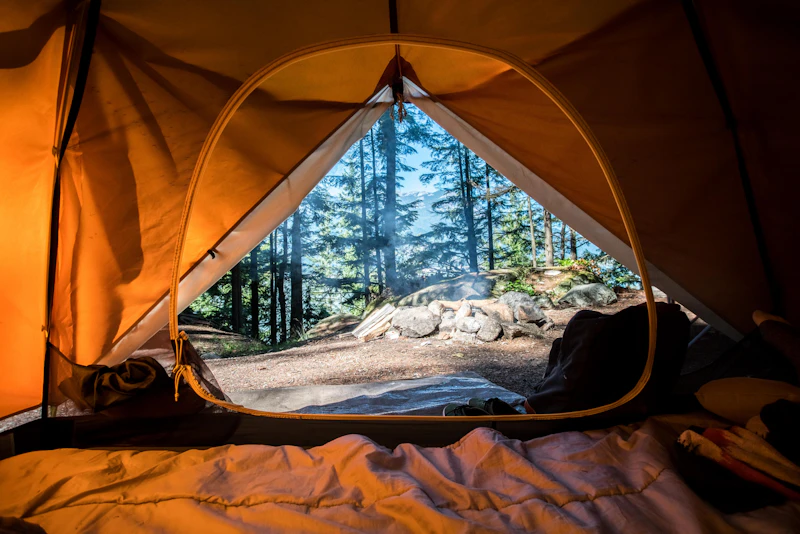
Most tents die from bad storage, not bad weather: damp fabric grows mildew and tight packing ruins waterproof coatings. Learn how to dry, clean, repair, and store your tent so it lasts for years.
Sunglasses are safety gear on the trail: UV is stronger at altitude and snow doubles the exposure. Learn how to pick lens category and colour, a fit that stays put, and frames that will not fog on the climb.
Microspikes and crampons both grip ice, but they are built for very different terrain, and the wrong choice leaves you underprepared or overburdened. Compare weight, grip, boots, and cost to pick the right winter traction.
Most thru-hikers who quit do so in the first two weeks, because their bodies were never prepared for eight hours of daily walking with a pack. Follow a practical training plan for legs, feet, and gear before your start date.
A soft 2027 habit tracker sticker that turns daily check-ins into a calm, rewarding ritual — pick two or three small habits and watch them add up all year.
Backpack size is measured by torso length first and volume second, and this guide shows how to measure yourself, pick the right litre range and test the fit before you buy.